Coconut Flour Pancakes for a Fluffy, Guilt-Free Breakfast
Introduction
Are you craving a breakfast that feels indulgent yet stays light on carbs? You can enjoy fluffy, protein‑rich pancakes without sacrificing flavor. Our recipe for coconut flour pancakes delivers a low‑carb, grain‑free option that fits a keto friendly lifestyle. In just 25 minutes you’ll have a stack that satisfies both sweet cravings and nutrition goals.
These coconut flour pancakes are perfect for anyone looking for a low‑carb, grain‑free breakfast that doesn’t rely on refined grains. The combination of coconut flour and eggs creates a tender crumb, while almond milk adds moisture without extra sugar. Each bite is light, yet packed with protein, making it an ideal start to a busy day.
Because they are sugar‑free and contain natural sugars only from optional fruit toppings, they meet the sugar‑free claim of under 5 g per serving. You’ll feel full, energized, and ready to tackle whatever lies ahead.
Why Choose Coconut Flour?
Coconut flour is a high‑fiber, low‑carb alternative to wheat flour. It absorbs liquid quickly, which creates a fluffy texture when paired with the right amount of moisture. Unlike many grain‑based flours, coconut flour is gluten‑free, making it suitable for people with gluten sensitivities.
In addition to its low carbohydrate profile, coconut flour provides healthy fats and a subtle, natural sweetness. This means you can reduce or eliminate added sweeteners while still enjoying a pleasant flavor. The result is a stack of pancakes that are both delicious and nutritionally balanced.
When combined with eggs, the protein content rises, supporting muscle repair and satiety. This makes our coconut flour pancakes an excellent choice for a post‑workout breakfast or a satisfying morning meal.
Ingredients List
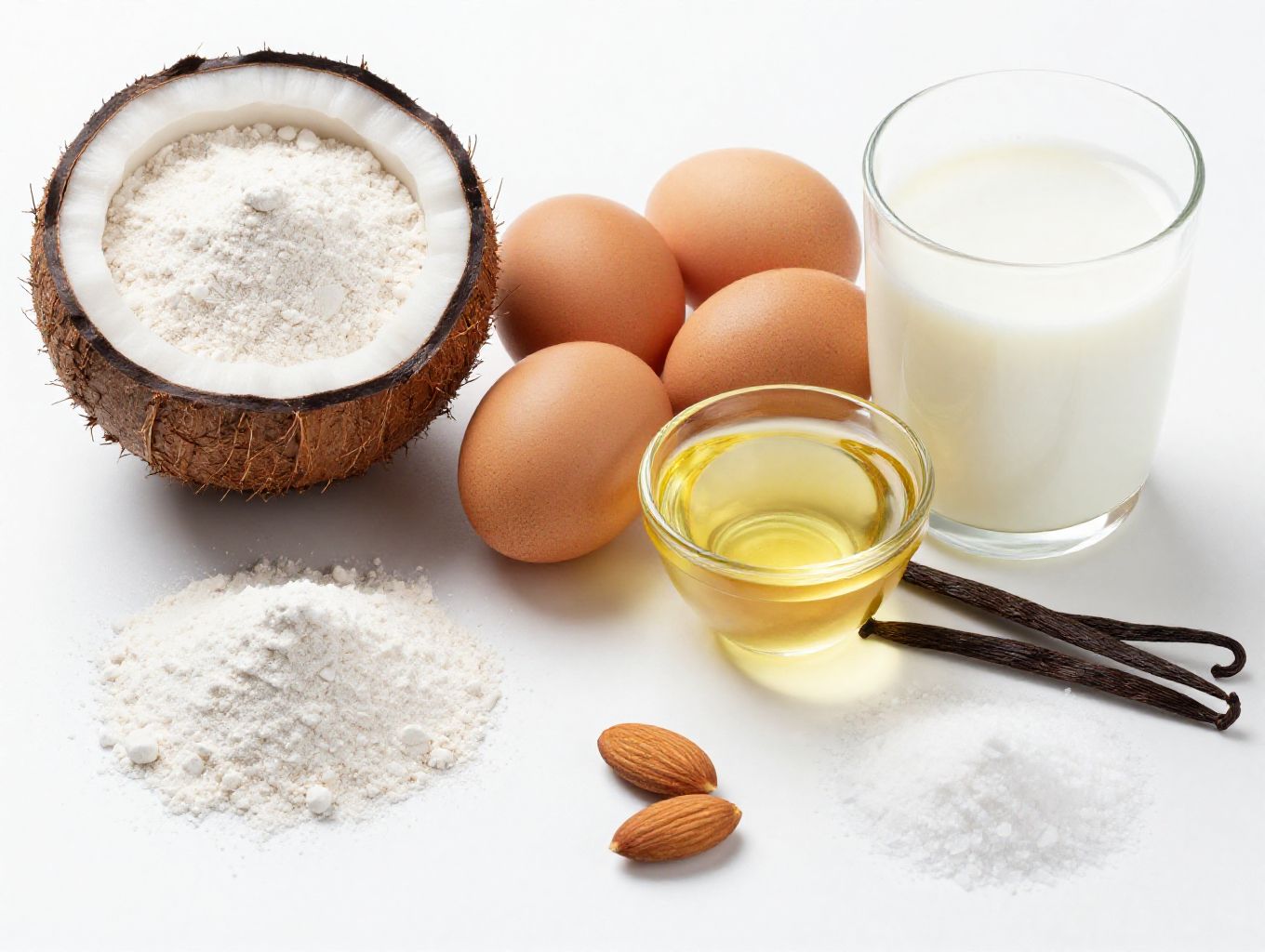
- 1 cup coconut flour – a high‑fiber, gluten‑free flour that absorbs liquid quickly. You can swap with almond flour for a lighter texture, but increase the liquid by ¼ cup.
- 3 large eggs – provide structure and protein. For a vegan version, replace each egg with ¼ cup unsweetened applesauce or a flaxseed egg.
- 1 cup almond milk (unsweetened) – keeps the batter dairy‑free and low in carbs. Coconut milk works as a richer alternative.
- 2 tablespoons coconut oil (melted) – adds healthy fats and subtle coconut flavor. Olive oil can be used for a milder taste.
- 1 teaspoon vanilla extract – enhances sweetness without added sugar.
- 1 teaspoon baking powder – creates lift for fluffy pancakes.
- 1 teaspoon baking soda – balances the acidity of the almond milk.
- ¼ teaspoon sea salt – amplifies flavor.
- Optional toppings: fresh fruit, sugar‑free syrup, or nut butter – add natural sweetness and texture without extra added sugar.
Timing
Prep Time: 10 min
Cook Time: 15 min
Total Time: 25 min
Step‑by‑Step Instructions
Step 1: Combine wet ingredients
In a large bowl, whisk together the eggs, almond milk, melted coconut oil, and vanilla extract until smooth. The mixture should be uniform, with no visible egg streaks. This wet base ensures the batter stays moist and helps the coconut flour hydrate evenly.
Step 2: Mix dry ingredients
In another bowl, blend the coconut flour, baking powder, baking soda, and sea salt. This ensures even distribution of leavening agents, which is crucial for achieving fluffy pancakes.
Step 3: Incorporate dry into wet
Gradually stir the dry mixture into the wet mixture, stirring gently to avoid lumps. Let the batter rest for 5 minutes; this lets the coconut flour fully absorb liquid, creating a thick but pourable consistency. The rest period is key for a tender crumb.
Step 4: Heat the skillet
Heat a non‑stick skillet over medium‑low heat and lightly grease it with a small amount of coconut oil. The pan should be hot enough that a drop of batter sizzles within a few seconds, but not so hot that the batter burns.
Step 5: Cook the pancakes
Pour ¼ cup of batter onto the skillet for each pancake. Cook for 3–4 minutes, or until bubbles appear on the surface, then flip and cook an additional 2–3 minutes until golden brown. This gentle cooking time yields fluffy pancakes with a lightly crisped edge.
Step 6: Serve and enjoy
Stack the pancakes on a plate, add your favorite toppings, and serve warm. Fresh berries or a drizzle of sugar‑free syrup keep the meal low in added sugars while providing natural sweetness.
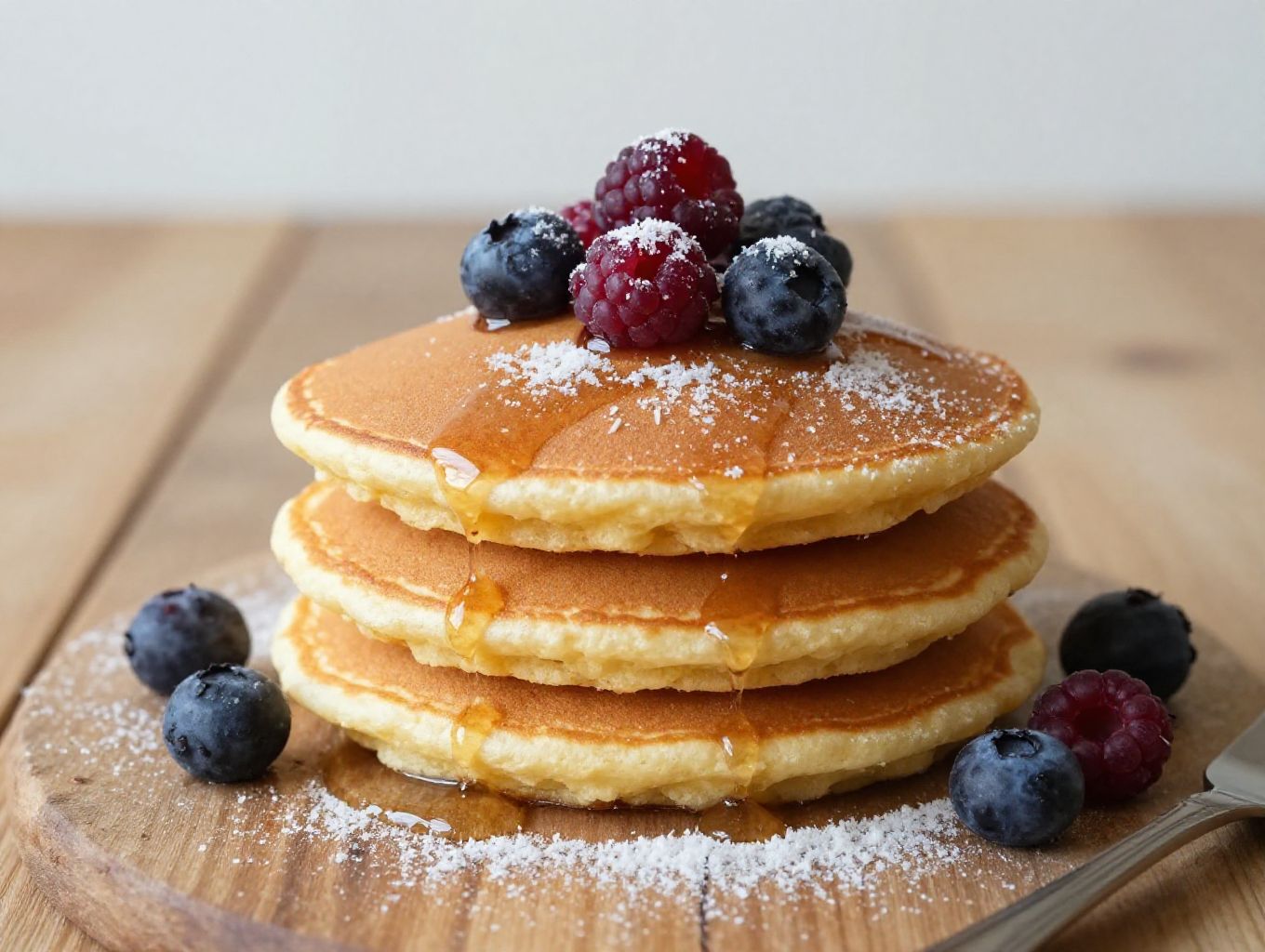
Coconut Flour Pancakes
Ingredients
Method
- In a large bowl, whisk together the eggs, almond milk, melted coconut oil, and vanilla extract until well combined.
- In another bowl, mix the coconut flour, baking powder, baking soda, and sea salt.
- Gradually stir the dry mixture into the wet mixture until there are no large lumps. Let the batter rest for 5 minutes.
- Heat a non-stick skillet over medium-low heat. Grease lightly with coconut oil.
- Pour 1/4 cup of batter onto the skillet for each pancake, cooking 3-4 minutes or until bubbles form on top. Flip and cook for another 2-3 minutes until golden brown.
- Serve warm with your favorite toppings like fresh fruit or nut butter.
Notes
Nutritional Information
Per serving (1 pancake):
- Calories: 128
- Carbohydrate: 9.62 g
- Protein: 5.05 g
- Fat: 8.13 g
- Saturated Fat: 4.21 g
- Trans Fat: 0.00 g
- Cholesterol: 0 mg
- Sodium: 308 mg
- Sugar: 1.15 g (natural sugars only, no added sugar)
- Unsaturated Fat: 3.93 g
Nutrition Information Source: Nutrition values are calculated per serving using data from USDA FoodData Central, the official U.S. government database for food composition. Values are approximate and may vary based on specific brands and preparation methods.
Healthier Alternatives for the Recipe
- Swap almond milk for unsweetened cashew milk to reduce calories while keeping the texture creamy.
- Replace coconut oil with avocado oil for a higher monounsaturated fat profile.
- Use a blend of coconut and almond flour to lower the overall carb count while retaining fluffiness.
- Add a scoop of collagen peptide powder for extra protein without changing flavor.
- Incorporate finely grated zucchini for added moisture and extra vegetables without impacting carbs.
Serving Suggestions
- Top with a handful of fresh blueberries and a dollop of Greek yogurt for extra protein.
- Drizzle a tablespoon of sugar‑free maple flavored syrup for a sweet finish.
- Spread almond butter and sprinkle cinnamon for a warm, nutty twist.
- Pair with a side of scrambled eggs for a balanced low‑carb breakfast.
- Serve with a small side salad of mixed greens for added fiber and micronutrients.
Common Mistakes to Avoid
- Adding too much liquid – coconut flour absorbs quickly, so stick to the listed amount of almond milk.
- Skipping the batter rest – the 5‑minute rest is essential for a smooth, lump‑free texture.
- Cooking on too high heat – medium‑low ensures the pancakes cook through without burning.
- Overmixing – vigorous mixing can develop a tough crumb, keep stirring gentle.
- Using refrigerated batter – let the batter sit at room temperature before cooking for even rise.
Storing Tips for the Recipe
- Cool the pancakes completely before stacking in an airtight container.
- Store in the refrigerator for up to 3 days; reheat in a toaster or skillet.
- Freeze individual pancakes on a parchment sheet, then transfer to a zip‑top bag for up to 2 months.
- To revive frozen pancakes, microwave for 30 seconds or heat in a skillet with a little butter.
- Label the container with the date for easy tracking of freshness.
Ingredient Spotlight: Coconut Flour
Coconut flour is derived from the dried meat of coconuts, making it naturally gluten‑free and high in fiber. One cup of coconut flour provides about 10 g of protein and 20 g of fiber, helping to regulate blood sugar and support digestive health.
Because of its high fiber content, coconut flour has a low glycemic index, which aligns with the low‑carb breakfast goal. It also contributes healthy medium‑chain triglycerides (MCTs) that can be quickly used for energy.
Tips for Perfect Fluffy Pancakes
- Ensure the batter rests for the full 5 minutes; this allows the flour to fully hydrate.
- Use a non‑stick skillet and a light coating of oil to prevent sticking without adding excess fat.
- Maintain medium‑low heat; too hot and the exterior will brown before the interior sets.
- Press the batter gently with a spatula after flipping to encourage even rise.
- Serve immediately for the best texture; pancakes lose fluffiness as they cool.
Conclusion
These coconut flour pancakes prove that a low‑carb, grain‑free breakfast can be both fluffy and satisfying. By following the simple steps and using quality ingredients, you’ll create a keto friendly stack that fuels your morning without added sugars. Experiment with the suggested variations, enjoy the nutrient‑dense options, and share your results with friends who crave a guilt‑free breakfast.
FAQs
Can I substitute coconut flour with almond flour? Yes, replace the coconut flour with an equal amount of almond flour, but increase the liquid by about ¼ cup to maintain batter consistency.
Are these pancakes suitable for a vegan diet? You can make them vegan by using flaxseed eggs or mashed banana instead of eggs, and choosing plant‑based milk.
How many carbs are in a typical serving? Each pancake contains approximately 9.62 g of carbohydrates, well within the low‑carb breakfast range.
Do the pancakes contain any added sugar? No, the recipe contains only natural sugars from the optional fruit toppings, keeping the total sugar under 5 g per serving.
How do sugar substitutes work in low‑carb baking? Sugar substitutes provide sweetness without adding calories or carbohydrates, allowing recipes like these pancakes to stay sugar‑free while still tasting sweet how sugar substitutes work.
What makes these pancakes keto friendly? The combination of low net carbs, high healthy fat, and adequate protein aligns with typical keto macronutrient targets.