
How to make lemon butter sauce for fish: A Quick Delight
Introduction
Looking for a way to brighten a simple fish dinner? This guide shows how to make lemon butter sauce for fish in just fifteen minutes, delivering a silky, citrus‑kissed finish. The sauce blends browned butter, fresh lemon, and a pinch of seasoning for a classic French touch. Whether you are cooking cod, halibut, or any white fish, the method stays the same and the result feels restaurant‑ready. Let’s dive into the steps that turn a weekday meal into a quick delight.
Ingredients List
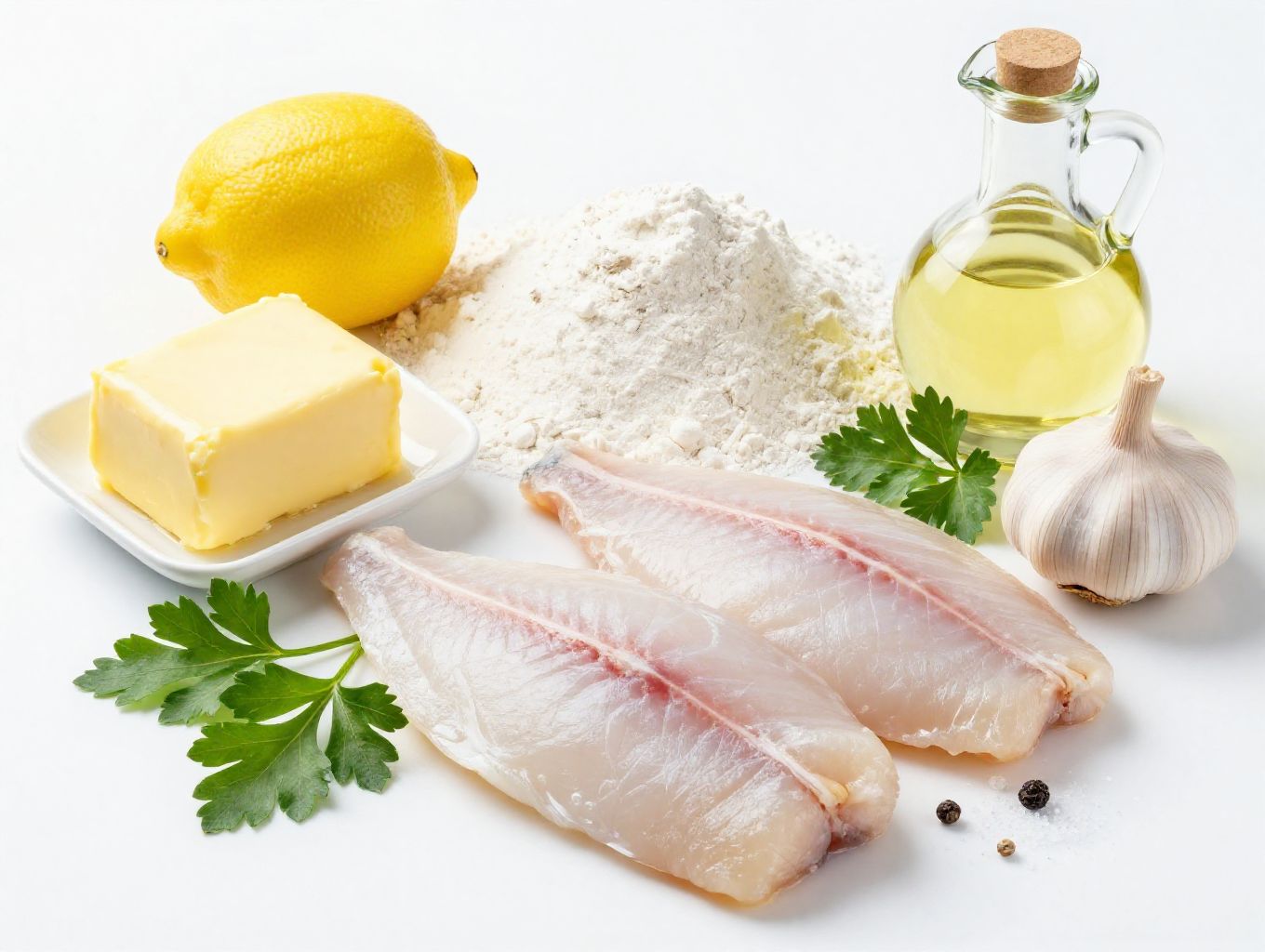
- 60 g (4 tbsp) unsalted butter – cut into pieces; provides the rich base for the sauce. Substitution: use clarified butter for a higher smoke point.
- 2 tbsp fresh lemon juice – about one lemon; adds bright acidity. Substitution: lime juice works for a different citrus note.
- Salt and freshly cracked black pepper – to taste; seasons both sauce and fish.
- 2 white fish fillets (5‑6 oz each) – skinless and boneless; cod or halibut are ideal. Substitution: any firm white fish such as snapper.
- 2 tbsp all‑purpose flour – for a light coating that helps the fish brown.
- 2 tbsp canola oil – neutral oil for pan‑frying the fillets.
- 1 garlic clove, very finely minced – adds subtle depth.
- 2 tbsp fresh parsley, finely chopped – for garnish and fresh flavor.
- Lemon wedges – for serving alongside the fish.
All ingredients contain natural sugars from dairy (butter) and lemon, with zero added sugar, keeping the dish well within a sugar‑free context.
Timing
Prep Time: 5 min
Cook Time: 10 min
Total Time: 15 min
Step-by-Step Instructions
Step 1: Brown the butter
In a small saucepan over medium heat, melt the butter, stirring occasionally. Let it gently simmer until it turns golden brown and develops a nutty aroma, about 3‑5 minutes. Remove from heat and pour into a bowl.
Step 2: Add lemon and season
Immediately stir in the lemon juice along with a pinch of salt and pepper to taste. Set the mixture aside to keep warm while you finish the fish.
Step 3: Prepare the fish
Pat the fish fillets dry with paper towels, then season them with salt and pepper. Dust both sides with flour, shaking off any excess.
Step 4: Cook the fillets
In a non‑stick skillet, heat the canola oil over medium‑high heat. Once shimmering, add the fish fillets and cook for 3‑4 minutes on one side until golden brown. Flip and cook on the other side for another 2‑3 minutes, till the fish is cooked through and flakes easily.
Step 5: Plate and finish
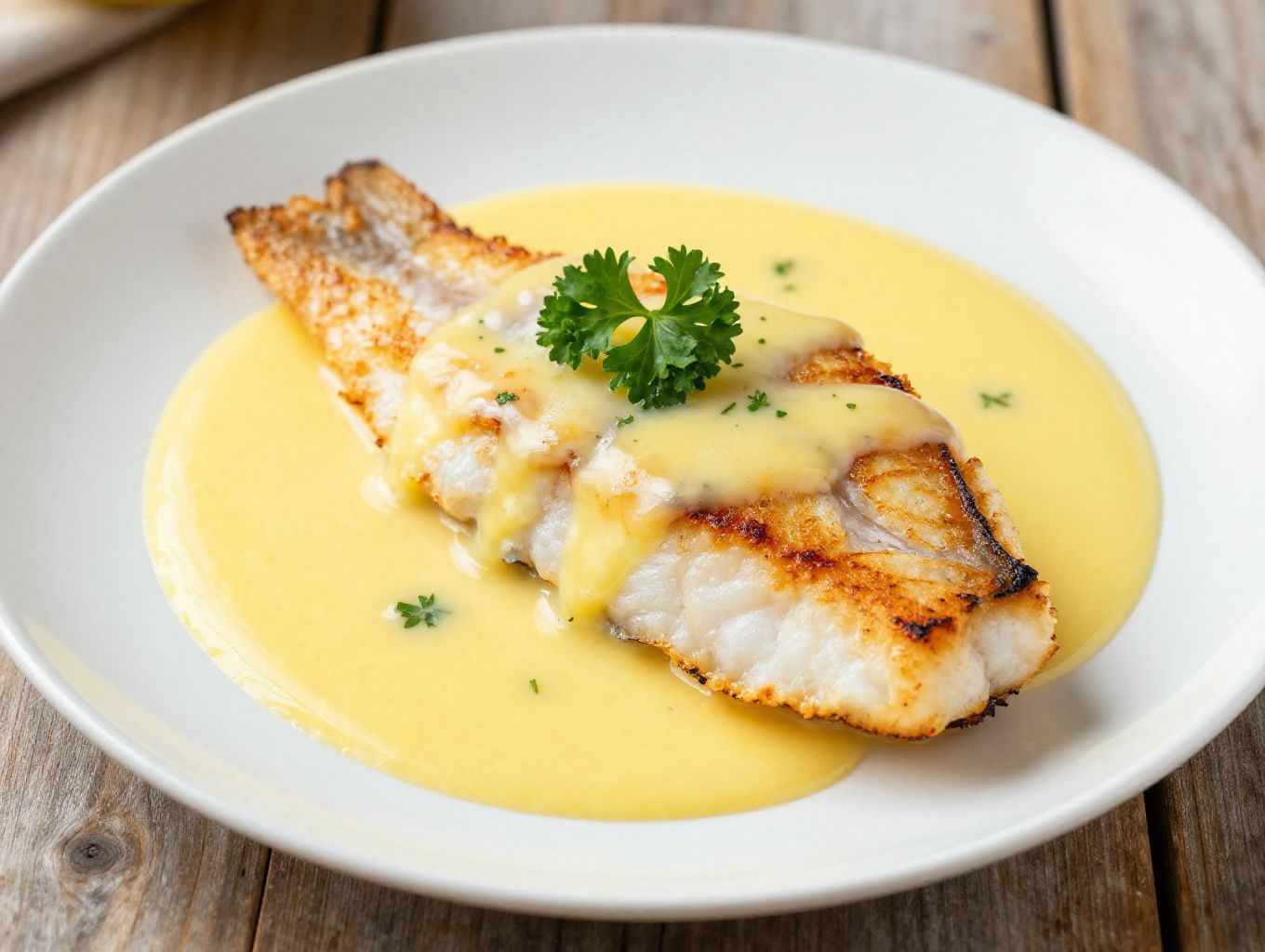
Transfer the fish to serving plates and drizzle generously with the lemon butter sauce. Garnish with fresh parsley and serve with lemon wedges on the side.
Nutritional Information
All values are per serving (one fish fillet with sauce).
- Calories: 214
- Carbohydrate: 6.39 g
- Protein: 15.17 g
- Fat: 14.36 g
- Saturated Fat: 0.85 g
- Trans Fat: 0.00 g
- Cholesterol: 69 mg
- Sodium: 1006 mg
- Sugar: 0.74 g (natural sugars from dairy, no added sugar)
- Unsaturated Fat: 13.96 g
Nutrition Information Source: Nutrition values are calculated per serving using data from USDA FoodData Central, the official U.S. government database for food composition. Values are approximate and may vary based on specific brands and preparation methods.
Healthier Alternatives for the Recipe
- Swap canola oil for a light olive oil spray to reduce overall fat while keeping the pan non‑stick.
- Use a reduced‑fat butter blend to lower saturated fat without sacrificing flavor.
- Replace all‑purpose flour with almond flour for a gluten‑free option that adds healthy fats.
- Increase the amount of fresh parsley or add dill for extra antioxidants and a fresh herb boost.
Serving Suggestions
- Serve over a bed of quinoa or brown rice for a complete meal with fiber.
- Pair with steamed asparagus or green beans for a bright vegetable side.
- Accompany with a crisp white wine such as Sauvignon Blanc to complement the lemon notes.
- For a brunch twist, drizzle the sauce over poached eggs and smoked salmon.
Common Mistakes to Avoid
- Do not over‑heat the butter; burning creates a bitter taste. Keep the heat medium and watch for a golden hue.
- Skipping the pat‑dry step can cause excess steam, preventing a proper crust on the fish.
- Adding lemon juice too early can cause the butter to separate. Stir it in after the butter has browned and been removed from heat.
- Using too much flour can make the coating gummy. Lightly dust and shake off excess.
Storing Tips for the Recipe
- Store cooked fish and sauce separately in airtight containers in the refrigerator for up to two days.
- Reheat the sauce gently over low heat, adding a splash of water if it thickens.
- When reheating fish, use a low oven or skillet to avoid drying out the fillet.
- Freeze the sauce in ice‑cube trays for convenient portioning; thaw and warm before serving.
Conclusion
Now you know how to make lemon butter sauce for fish quickly, safely, and without added sugar. The technique relies on simple ingredients, a brief browning step, and a splash of lemon to lift the flavors. Try it tonight and impress guests with a restaurant‑style fish recipe that fits a busy schedule. Share your results, experiment with herbs, and keep the sauce in your culinary toolkit.
Lemon Butter Sauce for Fish
Ingredients
Method
- In a small saucepan over medium heat, melt the butter, stirring occasionally. Let it gently simmer until it turns golden brown and develops a nutty aroma, about 3-5 minutes. Remove from heat and pour into a bowl.
- Immediately stir in the lemon juice along with a pinch of salt and pepper to taste. Set aside to keep warm.
- Pat the fish fillets dry with paper towels, then season them with salt and pepper. Dust both sides with flour, shaking off any excess.
- In a non-stick skillet, heat the canola oil over medium-high heat. Once shimmering, add the fish fillets and cook for 3-4 minutes on one side until golden brown. Flip and cook on the other side for another 2-3 minutes, till fish is cooked through and flakes easily.
- Transfer the fish to serving plates and drizzle generously with the lemon butter sauce. Garnish with fresh parsley and serve with lemon wedges on the side.
Notes
FAQs
Can I use frozen fish fillets? Yes, thaw them completely, pat dry, and follow the same seasoning and cooking steps.
Is it necessary to brown the butter? Browning develops a nutty depth that defines the sauce, but you can skip it for a milder flavor.
How long can the sauce be kept warm? Keep it on the lowest stove setting for up to 20 minutes; stir occasionally to prevent a skin forming.
What side dishes pair best with this lemon butter sauce? Light vegetables, whole grains, or a simple green salad complement the bright citrus notes.
Can I make this sauce dairy‑free? Replace butter with a plant‑based alternative such as vegan butter; the texture will stay creamy.