Cantaloupe Juice Recipe: Refreshing and Simple Delight
Introduction
Looking for a cool, hydrating drink on a hot day? This cantaloupe juice recipe delivers sweet, natural flavor with minimal effort. It’s a perfect summer drink that feels like a treat but is packed with nutrients. In the next few minutes you’ll learn how to turn a ripe cantaloupe into a refreshing beverage that the whole family will love.
Ingredients List
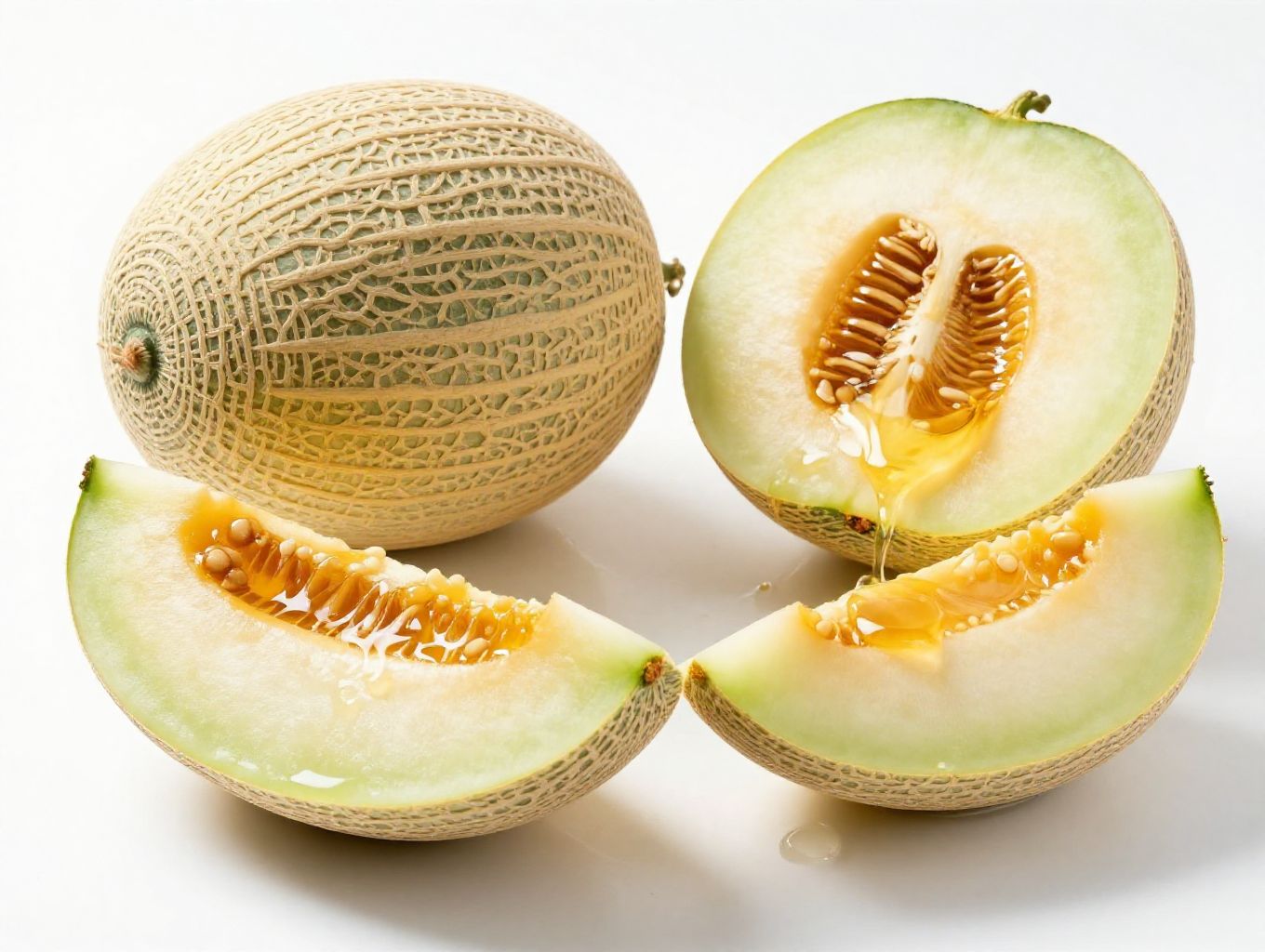
- 1 small ripe cantaloupe (about 4.5 cups cubed) – Choose a cantaloupe that yields a fragrant aroma and yields soft, orange flesh.
- 4 cups cold water – Use filtered or spring water for the cleanest taste.
- 1/4 cup honey (or more to taste, can substitute with agave syrup) – Honey adds natural sweetness; agave works well for a vegan option.
Tip: If you prefer a less sweet drink, start with 2 tablespoons of honey and add more after blending.
Timing
Prep Time: 5 min
Cook Time: 0 min
Total Time: 5 min
Step 1 – Prepare the Canteloupe
Remove the skin and seeds from the cantaloupe. Slice the flesh into bite‑size chunks. This makes blending faster and ensures a smooth texture.
Step 2 – Blend the Ingredients
Place the cantaloupe chunks, honey, and cold water in a blender. Blend on high until the mixture is completely smooth, about 30 seconds.
Step 3 – Strain (Optional)
Set a fine mesh strainer or cheesecloth over a bowl or pitcher. Pour the blended mixture through to separate juice from pulp, if you prefer a clear drink. You can leave some pulp for extra fiber.
Step 4 – Serve and Enjoy
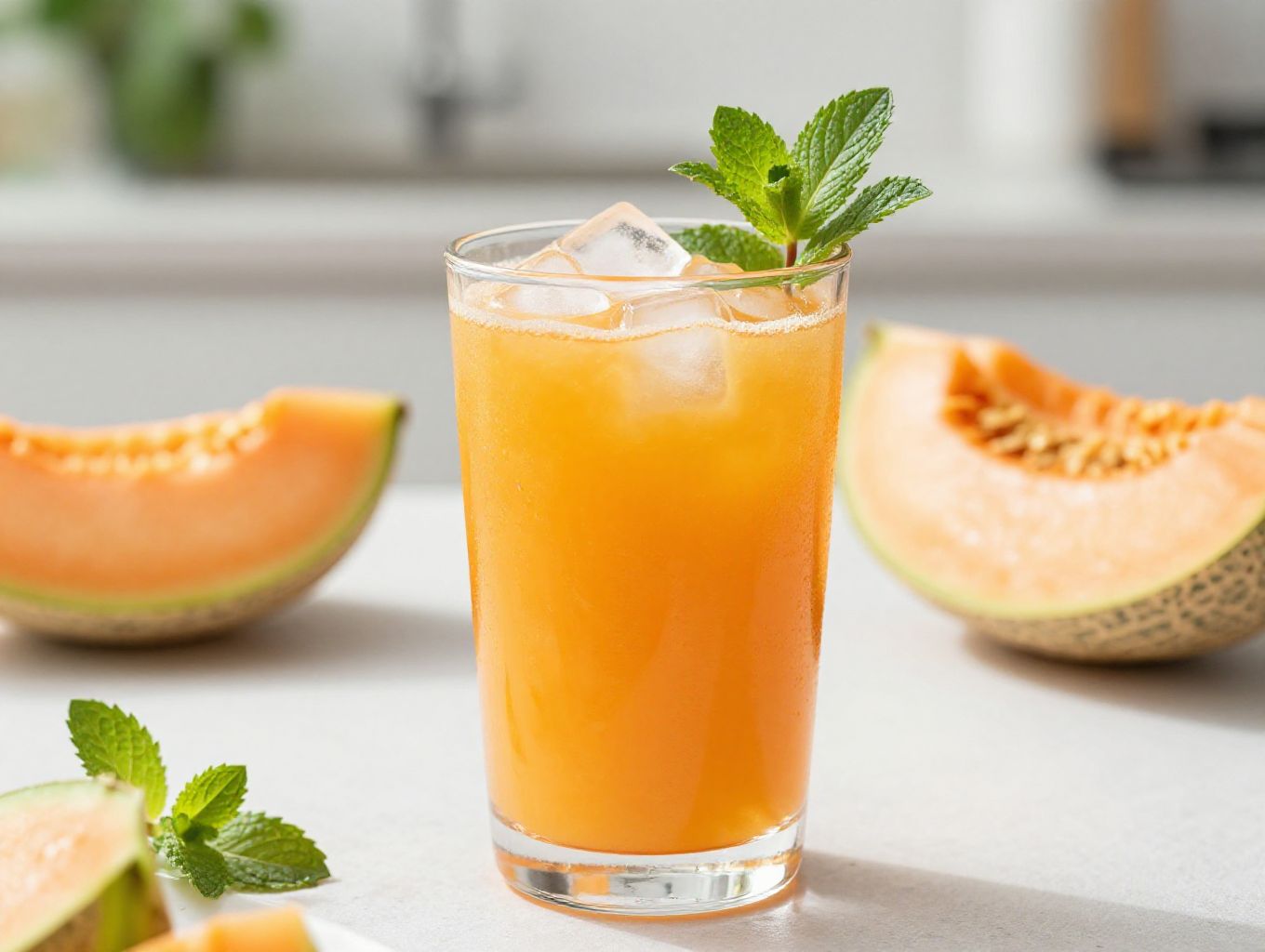
Fill glasses with ice cubes and pour the chilled cantaloupe juice over them. Garnish with a sprig of fresh mint if desired. Sip slowly and feel the cool refreshment.
Nutritional Information
All values are per serving (1 serving).
- Calories: 50
- Carbohydrate: 13.23 g
- Protein: 0.49 g
- Fat: 0.10 g
- Saturated Fat: 0.03 g
- Trans Fat: 0.00 g
- Cholesterol: 0 mg
- Sodium: 11 mg
- Sugar: 13.03 g
- Unsaturated Fat: 0.08 g
Nutrition Information Source: Nutrition values are calculated per serving using data from USDA FoodData Central, the official U.S. government database for food composition. Values are approximate and may vary based on specific brands and preparation methods.
Healthier Alternatives for the Recipe
- Replace honey with a natural low‑calorie sweetener such as stevia or monk fruit to cut sugar.
- Swap half of the water for coconut water to add electrolytes and a subtle tropical note.
- Include a handful of fresh spinach or kale for a green boost without altering the sweet flavor.
- Use a splash of freshly squeezed lemon juice to increase vitamin C and brighten the taste.
Serving Suggestions
- Serve in tall glasses with a rim of crushed ice for a party‑ready presentation.
- Pair with light summer salads, grilled fish, or fresh fruit kebabs for a balanced meal.
- Blend the juice with a scoop of vanilla yogurt for a creamy twist.
- Freeze the juice in ice‑cube trays and add to sparkling water for a fizzy mocktail.
Common Mistakes to Avoid
- Using over‑ripe cantaloupe can make the juice mushy and overly sweet.
- Skipping the strain step if you prefer a clear drink; pulp can cloud the appearance.
- Adding too much honey at the start; taste after blending and adjust gradually.
- Neglecting to chill the water; cold water helps keep the final drink refreshing.
Storing Tips for the Recipe
- Store the juice in a sealed glass jar in the refrigerator for up to 24 hours.
- Place a piece of plastic wrap directly on the surface to minimize oxidation.
- Shake well before serving, as natural separation may occur.
- For longer storage, freeze the juice in portion‑size containers and thaw as needed.
Conclusion
This cantaloupe juice recipe proves that a simple blend of fruit, water, and a touch of honey can become a star healthy juice recipe. It’s a quick, low‑calorie refreshing beverage that fits perfectly into any summer routine. Try it today, share it with friends, and enjoy the natural sweetness of fresh cantaloupe. Don’t forget to explore other fruit‑based drinks and keep your kitchen stocked with seasonal produce.
Cantaloupe Juice
Ingredients
Method
- Remove the skin and seeds from the cantaloupe. Slice the flesh into chunks.
- In a blender, combine the cantaloupe chunks, honey, and cold water. Blend until smooth.
- Place a fine mesh strainer or cheesecloth over a bowl or pitcher, and strain the mixture to separate the juice from the pulp if desired. (You can leave some pulp for added fiber and nutrients.) 4. Serve in glasses over ice cubes, garnished with fresh mint if desired. Enjoy your refreshing drink!
Notes
Why Choose Cantaloupe?
Cantaloupe is naturally sweet and packed with vitamins A and C, making it an ideal base for a healthy juice recipe. Its high water content keeps the drink light and hydrating, perfect for hot summer days. The fruit’s soft texture blends easily, reducing the need for extra processing. Using fresh cantaloupe ensures a bright orange hue that looks as inviting as it tastes.
Convenient Preparation
This recipe requires no cooking, so you can enjoy a fresh beverage in minutes. The short prep time fits busy schedules, whether you’re prepping for a family brunch or a quick post‑work refresh. All you need is a blender and a strainer, tools most kitchens already have. The result is a low‑calorie, naturally sweet drink without added preservatives.
Blending Tips for Smooth Juice
Start with chilled water to keep the mixture cold while blending. If the blender struggles, add a splash more water to help the blades move. Blend in short bursts to avoid overheating the motor and to maintain a bright color. For extra froth, blend a few seconds longer at high speed.
Health Benefits of This Refreshing Beverage
The cantaloupe juice provides antioxidants that support skin health and immune function. Its natural sugars give a quick energy boost without the crash of refined sweets. The low fat and sodium content make it heart‑friendly, while the small amount of protein contributes to overall nutrition. Drinking this beverage can aid hydration after exercise or on a warm day.
Flavor Enhancements Without Extra Calories
A squeeze of fresh lime adds a tangy contrast that brightens the sweet base. Adding a few fresh mint leaves during blending introduces a cooling aroma. For a festive twist, blend a handful of frozen berries for color and a subtle tartness. These additions keep the calorie count low while expanding the flavor profile.
Perfect Occasions for This Summer Drink
Serve the cantaloupe juice at backyard barbecues, where its coolness balances grilled flavors. It works well as a brunch companion alongside light salads and fruit platters. Offer it at kids’ parties for a fun, non‑alcoholic option that feels special. Pair with a slice of lemon cake for a sweet‑and‑tangy dessert pairing.
Troubleshooting Common Issues
If the juice appears cloudy, blend longer or strain through a finer mesh. A bitter taste may indicate over‑ripe fruit; choose a cantaloupe with firm flesh. Too thick a texture can be thinned with additional cold water, a tablespoon at a time. Adjust sweetness by tasting before serving and adding more honey if needed.
Extending Shelf Life
For longer freshness, add a pinch of lemon juice before sealing the container; the acidity slows oxidation. Store in glass jars rather than plastic to preserve flavor integrity. If you plan to keep the juice for more than a day, freeze in ice‑cube trays and blend with water when ready to serve. Label containers with the date to track freshness.
Join the Refreshing Juice Community
Share your cantaloupe juice creations on social media using the hashtag #FreshCantaloupe. Experiment with the suggested variations and let us know which flavor you love most. Subscribe for more healthy juice recipes that keep you hydrated and energized all year long. Your feedback helps us craft even better drinks for every season.
Ingredient Spotlight
The star of this cantaloupe juice recipe is the cantaloupe itself, offering natural sweetness and a vibrant color that makes the drink inviting. Water provides the essential hydration base, and using cold water enhances the refreshing quality of the final beverage. Honey contributes a gentle floral sweetness, and its optional substitution with agave syrup keeps the recipe flexible for different dietary preferences.
Each component works together to create a balanced flavor profile, ensuring that the cantaloupe juice recipe remains both tasty and nutritious. The combination of fruit, water, and a touch of honey delivers a drink that feels indulgent yet light.
Nutrient Breakdown
- Carbohydrates supply quick energy for active days.
- Vitamin A supports healthy vision and skin.
- Vitamin C boosts immune defenses and aids collagen formation.
- Potassium helps regulate fluid balance and muscle function.
- Low fat content keeps the drink heart‑friendly.
- Minimal sodium aligns with low‑sodium dietary goals.
- Natural sugars provide a pleasant taste without added refined sugars.
- Protein, though modest, contributes to overall nutrient completeness.
- Antioxidants from cantaloupe combat oxidative stress.
- Fiber from optional pulp supports digestive health.
Seasonal Availability
Cantaloupe reaches peak freshness during the warm months, making it ideal for a summer drink that celebrates seasonal produce. When cantaloupe is in season, the flavor is at its sweetest, enhancing the overall quality of the cantaloupe juice recipe. Choosing ripe fruit ensures a vibrant color and natural sweetness without needing extra sweeteners.
DIY Variations
- Add a splash of orange juice for a citrus twist that brightens the flavor.
- Mix in a few fresh basil leaves for an herbaceous note that complements the fruit.
- Incorporate a handful of frozen mango pieces for tropical depth.
- Stir in a pinch of ground cinnamon for warm spice during cooler evenings.
- Blend with a scoop of protein powder for a post‑workout boost.
Tips for Hosting a Juice Bar
Set out a variety of fresh fruits, herbs, and sweetener options so guests can customize their own cantaloupe juice recipe. Provide chilled glasses and plenty of ice to keep the drinks cold throughout the event. Offer garnish choices like mint, lime wedges, and berries to add visual appeal. A simple self‑serve station encourages interaction and makes the experience memorable.
Understanding the Sweetness Level
The natural sweetness of cantaloupe often means you need only a small amount of honey to achieve a balanced taste. Adjust the honey gradually, tasting after each addition, to avoid over‑sweetening the cantaloupe juice recipe. This approach lets you control sugar intake while preserving the fruit’s authentic flavor.
Environmental Impact
Using fresh, locally sourced cantaloupe reduces transportation emissions and supports sustainable agriculture. Choosing reusable glass containers for storage minimizes plastic waste. The simple preparation of this cantaloupe juice recipe also means less energy consumption compared to cooked beverages.
FAQs
- Can I use frozen cantaloupe instead of fresh? Yes, frozen cantaloupe works well; just thaw it slightly before blending for a smoother texture.
- Is this drink suitable for kids? Absolutely, it’s low in fat and contains natural sugars; just adjust the honey to suit their taste.
- How many calories are in a glass? Each serving contains about 50 calories, making it a light option for any time of day.
- What does the science of snacking say about fruit juices? Research highlights that whole fruit provides more fiber than juice, but a moderate amount of fresh juice can still support hydration and nutrient intake. the science of snacking