Introduction
Ever wondered how to make saltine crackers that taste like a bakery’s best, yet come from your own kitchen? In this guide you’ll discover a quick, 30‑minute method that turns simple pantry staples into crispy, flaky snacks. Whether you crave a light bite on its own or need a base for dips, this recipe covers all the basics of homemade crackers. Follow along and you’ll master how to make saltine crackers while adding a satisfying crunch to your snack repertoire. The process is simple enough for beginners, yet offers enough nuance to keep seasoned bakers interested.
Saltine crackers are a timeless snack, perfect for quick munching, movie nights, or as a sturdy platform for creative toppings. By learning how to make saltine crackers at home, you gain control over ingredients, texture, and flavor. You can also tailor the recipe for dietary needs, making them a versatile addition to any snack collection.
Ingredients List
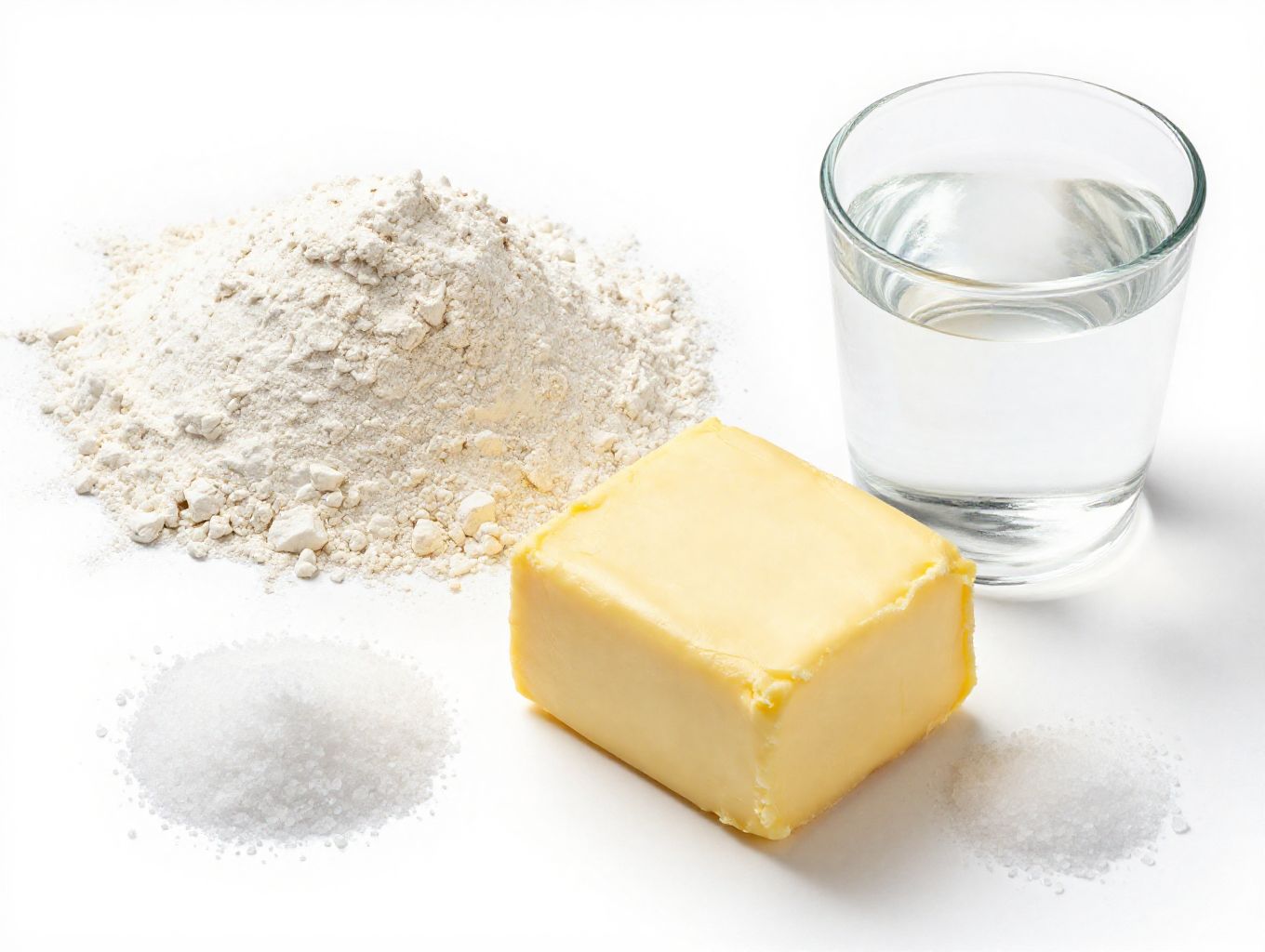
- 1 cup all‑purpose flour – the foundation for a tender crumb; you can substitute whole‑wheat flour for extra fiber.
- 1/2 teaspoon salt – enhances flavor; a pinch of sea salt works as well.
- 2 tablespoons cold unsalted butter – creates flaky layers; use chilled margarine for a dairy‑free option.
- 1/3 cup water (plus more as needed) – hydrates the dough; replace with sparkling water for a lighter texture.
- Flaky salt for topping (optional) – adds a salty crunch; try sesame seeds for a nutty twist.
Each ingredient plays a specific role in the final texture. The flour provides structure, while the cold butter forms pockets that puff during baking, giving the cracker its characteristic flakiness. Water binds everything together, and the optional flaky salt creates a surface sparkle that mimics store‑bought saltines.
Timing
Prep time: 10 min | Cook time: 10 min | Total time: 20 min. This speedy schedule makes the recipe perfect for busy evenings or last‑minute appetizers. You can even double the batch and freeze the dough for future snacking sessions.
Step 1: Combine dry ingredients and butter
In a bowl, mix the flour, salt, and cold butter until the mixture resembles coarse crumbs. The butter pieces should stay small for a flaky texture. Add water gradually, stirring until a soft dough forms that pulls away from the sides of the bowl. If the dough feels dry, add a teaspoon of water at a time until it holds together without being sticky.
Step 2: Shape and prep for baking
Preheat the oven to 400°F (200°C). Roll the dough on a lightly floured surface to about 1/8 inch thick, then transfer it to a baking sheet. Cut the sheet into squares, prick each with a fork, and sprinkle flaky salt if desired. Pricking prevents the crackers from puffing unevenly, ensuring a uniform crunch across the batch.
Step 3: Bake and cool
Place the sheet in the oven and bake for 8‑12 minutes, watching for a light golden hue. Once baked, remove the crackers and let them cool completely on a wire rack before serving. The cooling step ensures maximum crispness and prevents steam from softening the surface.
For a deeper flavor, you can brush the tops with a tiny amount of olive oil before the final minute of baking. This adds a subtle richness without compromising the light texture that defines a classic saltine.
Nutritional Information
Nutrition facts are calculated per serving (1 cracker):
- Calories: 23
- Carbohydrate: 3.41 g
- Protein: 0.63 g
- Fat: 0.84 g
- Saturated fat: 0.49 g
- Trans fat: 0.00 g
- Cholesterol: 2 mg
- Sodium: 39 mg
- Sugar: 0.06 g
- Unsaturated fat: 0.35 g
Nutrition Information Source: Nutrition values are calculated per serving using data from USDA FoodData Central, the official U.S. government database for food composition. Values are approximate and may vary based on specific brands and preparation methods.
These crackers are low in calories and sugar, making them a smart choice for light snacking. The modest sodium content can be further reduced by omitting the flaky salt topping, which is helpful for those monitoring blood pressure.
Healthier Alternatives for the Recipe
To boost fiber, replace half of the all‑purpose flour with oat or spelt flour. This swap adds a nutty flavor while keeping the crackers light and crisp. Oat flour also contributes beta‑glucan, a soluble fiber linked to heart health.
For lower sodium, reduce the added salt and omit flaky salt topping. You can also brush the tops with olive oil and sprinkle herbs such as rosemary or thyme for extra taste without extra salt. Herbs add antioxidants and enhance the sensory experience of the snack.
If you need a gluten‑free version, use a certified gluten‑free flour blend. The dough may feel slightly more fragile, so handle it gently and consider chilling it for 15 minutes before rolling.
Serving Suggestions
These crackers shine as a base for cheese spreads, hummus, or avocado dip, making them ideal appetizers for gatherings. Pair them with sliced fruits like apples or grapes for a balanced snack that combines sweet and salty notes.
Crush the crackers over salads for added crunch, or sprinkle them into soup bowls for a homemade crouton alternative. Their neutral flavor works well with both savory and sweet toppings, allowing endless creativity.
For a festive twist, drizzle melted chocolate over a few crackers and let them set. This simple garnish transforms a humble snack into an elegant dessert bite.
Common Mistakes to Avoid
Over‑mixing the dough can develop gluten, resulting in tough crackers rather than flaky ones. Mix just until the water is incorporated.
Skipping the fork pricks allows steam to puff the crackers, creating uneven texture. Always pierce each piece before baking.
Rolling the dough too thick yields a biscuit‑like texture rather than a crisp cracker. Aim for a uniform 1/8 inch thickness for consistent results.
Using warm butter instead of cold butter reduces flakiness. Keep the butter chilled until the moment you incorporate it into the flour.
Storing Tips for the Recipe
Allow the crackers to cool fully before storing to prevent condensation. Place them in an airtight container with a paper towel to absorb excess moisture.
Store in a cool, dry pantry for up to a week. For longer freshness, add a silica gel packet or re‑bake for 2 minutes to revive crispness.
If you freeze baked crackers, wrap them tightly in foil before placing them in a freezer‑safe bag. Thaw at room temperature and crisp them in a hot oven for 3‑5 minutes before serving.
Conclusion
Now you know how to make saltine crackers that are crisp, flaky, and ready in just 20 minutes. This simple method fits perfectly into snack planning, baking projects, and homemade appetizer spreads. By mastering the technique, you gain the freedom to customize flavor, nutrition, and texture to suit any occasion.
Give the recipe a try, experiment with healthier twists, and share your results with friends. Enjoy the salty delight of your own homemade crackers and feel confident adding them to your snack arsenal.
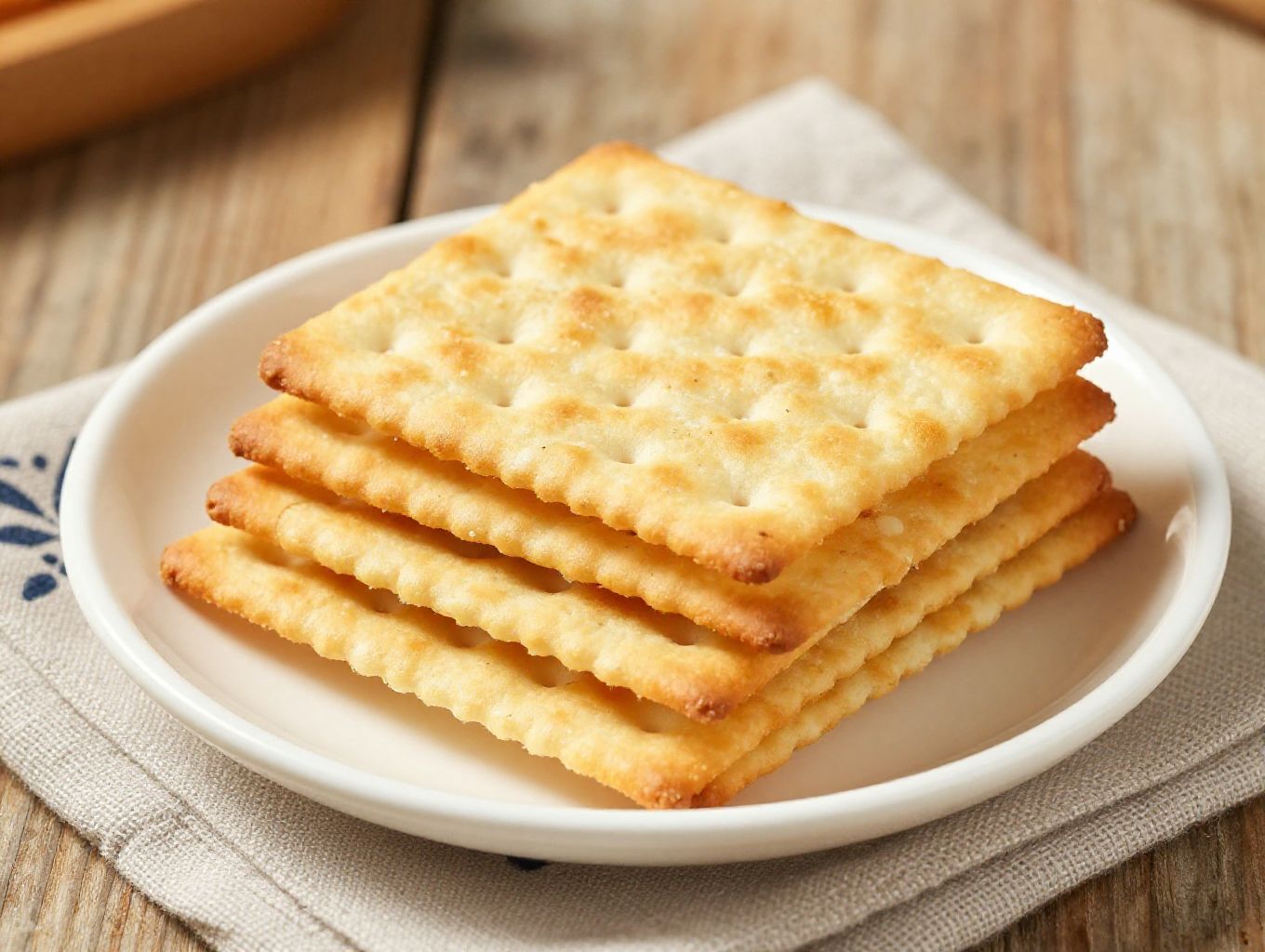
How to Make Saltine Crackers
Ingredients
Method
- In a bowl, mix the flour, salt, and butter until crumbly. Gradually add water until a dough forms. Roll out dough to 1/8 inch thick.
- Preheat oven to 400°F (200°C) and place dough on a baking sheet. Cut into squares and prick with a fork; sprinkle with flaky salt.
- Bake for 8-12 minutes or until lightly golden. Cool before serving for snacking or dipping.
Notes
FAQs
Can I freeze the dough for later use? Yes, wrap the rolled dough tightly in plastic and freeze for up to one month; thaw before baking.
What dips pair best with these crackers? Classic choices include cheese fondue, spinach dip, or a light lemon‑yogurt sauce.
Can I add herbs or spices to the dough? Absolutely, fold in dried oregano, garlic powder, or smoked paprika for an extra flavor boost.
How do I make these crackers gluten‑free? Substitute a gluten‑free flour blend for the all‑purpose flour and follow the same steps.
Do saltine crackers work as a base for fruit platters? Yes, their neutral crunch complements fresh fruit; for ideas on fruit choices, see Harvard’s guidance on fruit and vegetable intake.