How to Make Vegetable Roll Sushi with Exciting Flavors
Introduction
Do you crave sushi but want a fresh, plant‑based twist? This guide shows how to make vegetable roll sushi that bursts with color and flavor. The recipe is simple, nutritious, and perfect for a quick dinner or snack. You’ll enjoy a satisfying bite that feels indulgent without any added sugar.
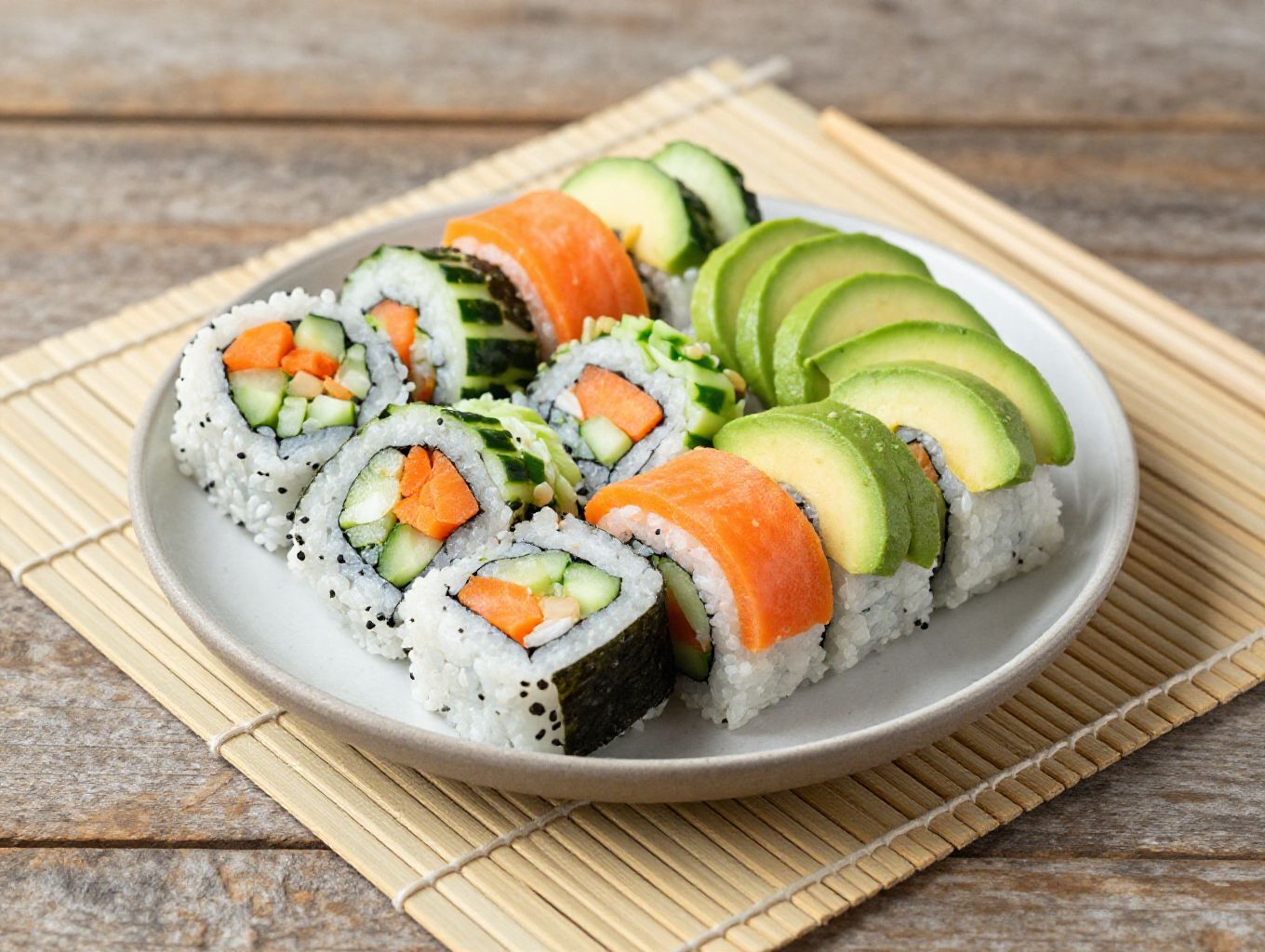
Vegetable roll sushi combines tender rice, crisp veggies, and silky avocado for a balanced bite. It fits easily into a healthy lifestyle and counts as a wholesome snack. Let’s explore the steps, ingredients, and tips that make this roll a star at any table.
Ingredients List
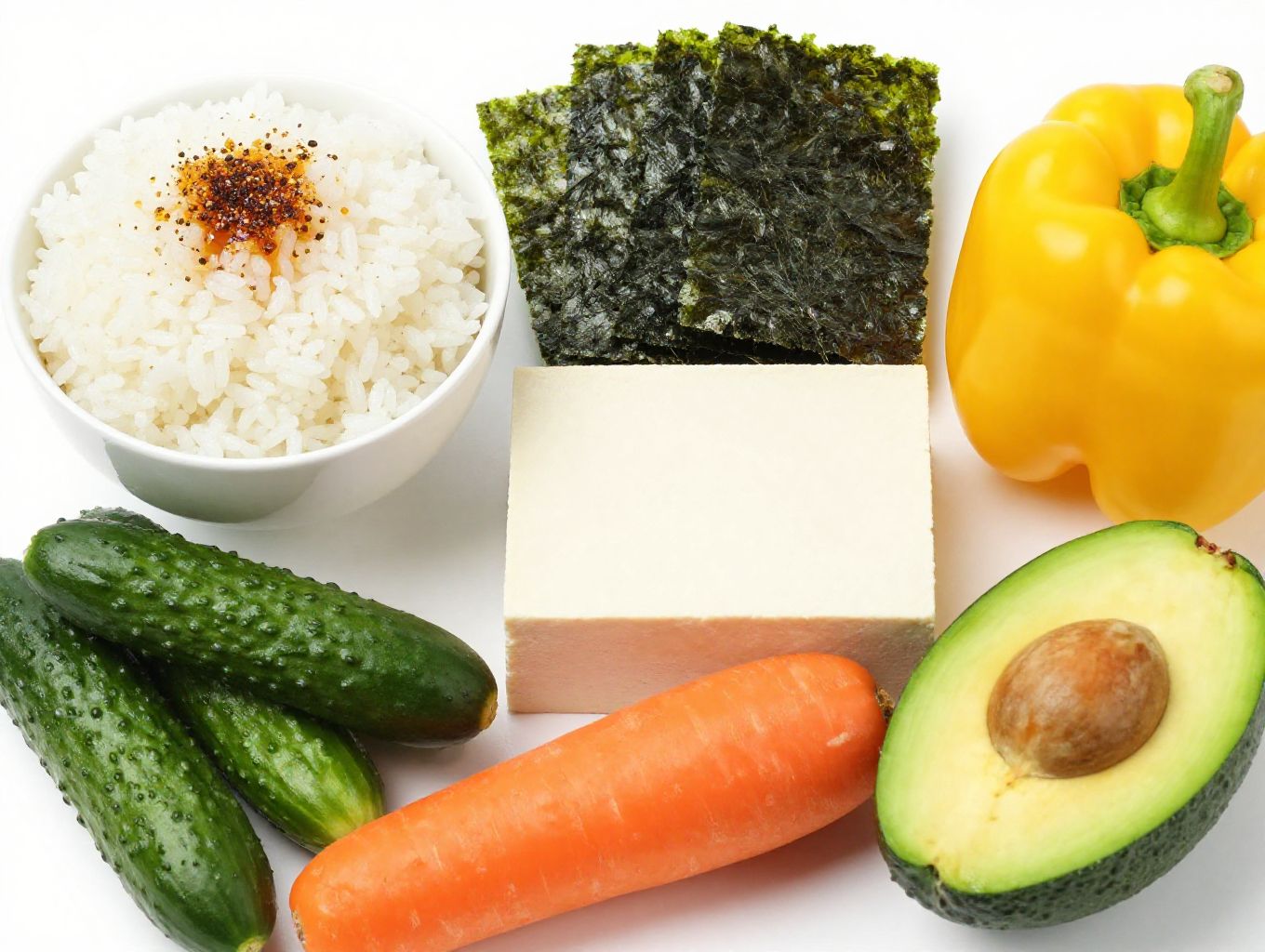
- 2¼ cups uncooked Japanese short‑grain white rice – the sticky base that holds the roll together.
- 2¼ cups water – for cooking the rice to perfection.
- ⅓ cup seasoned rice vinegar – adds a mild tang without extra sugar.
- 6 sheets nori seaweed – crisp, ocean‑flavored wrappers.
- 1 deep‑fried firm tofu cutlet, sliced – provides protein and a satisfying texture.
- 2 Japanese cucumbers, julienned – gives crunch and freshness.
- 1 carrot, julienned – adds sweetness from natural sugars.
- 2 avocados, sliced – creamy richness with healthy fats.
- 1 yellow bell pepper, julienned – bright flavor and vitamin C.
Substitution suggestions:
- Swap tofu for tempeh for a nuttier taste.
- Use brown sushi rice for extra fiber.
- Replace cucumber with daikon radish for a peppery bite.
- Try mango strips for a tropical twist; note that mango adds natural sugar.
Timing
Prep Time: 45 min
Cook Time: 10 min
Total Time: 55 min
Step 1 – Rinse and Cook the Rice
Rinse the rice until the water runs almost clear. Drain, then add rice and 2¼ cups water to a rice cooker. Cook until the rice is tender and fluffy.
Step 2 – Season the Rice
When the rice is done, stir in ⅓ cup seasoned rice vinegar. Let the rice cool to room temperature for easy handling.
Step 3 – Prepare the Vegetables
Julienne the cucumbers, carrot, and yellow bell pepper. Slice the avocados and the tofu cutlet into thin strips.
Step 4 – Lay Out the Nori
Place a nori sheet shiny side down on a bamboo mat. Spread 1 cup of sushi rice evenly, leaving the top edge uncovered.
Step 5 – Add Fillings
Arrange the cucumber, carrot, bell pepper, avocado, and tofu in a line across the middle of the rice.
Step 6 – Roll the Sushi
Lift the mat and roll the sushi tightly, using gentle pressure. Moisten the bare edge of the nori with a little water to seal.
Step 7 – Repeat the Process
Repeat steps 4‑6 with the remaining nori sheets and fillings. You will have six beautiful rolls.
Step 8 – Slice and Serve
Cut each roll into bite‑size pieces with a sharp knife. Serve with soy sauce and a dab of wasabi for extra zest.
Nutritional Information
Nutrition facts are based on one sushi roll serving.
- Calories: 352
- Carbohydrates: 64.16 g
- Protein: 6.58 g
- Fat: 7.48 g
- Saturated Fat: 1.09 g
- Trans Fat: 0.00 g
- Cholesterol: 0 mg
- Sodium: 12 mg
- Sugar: 0.32 g (natural sugars from vegetables)
- Unsaturated Fat: 6.39 g
Nutrition Information Source: Nutrition values are calculated per serving using data from USDA FoodData Central, the official U.S. government database for food composition. Values are approximate and may vary based on specific brands and preparation methods.
Healthier Alternatives for the Recipe
- Use cauliflower rice instead of white rice to cut carbs.
- Add edamame beans for extra protein and fiber.
- Include pickled ginger for a probiotic boost.
- Choose low‑sodium soy sauce to keep sodium under control.
Serving Suggestions
- Pair rolls with a side of miso soup for a complete meal.
- Serve on a platter with sliced radish and cucumber for extra crunch.
- Offer a small salad of mixed greens dressed with sesame oil.
- Enjoy as a party appetizer with miniature dipping bowls.
Common Mistakes to Avoid
- Over‑wetting the nori – it becomes soggy and tears.
- Using too much rice – makes the roll difficult to bite.
- Skipping the rice vinegar – results in bland flavor.
- Rolling too loosely – fillings will fall out.
Storing Tips for the Recipe
- Wrap each roll tightly in plastic wrap to retain moisture.
- Refrigerate for up to 24 hours; consume within two days for best texture.
- Keep the rice separate from the nori if storing for longer than 12 hours.
- Use a silicone mat to prevent the rolls from sticking during storage.
Conclusion
Now you know how to make vegetable roll sushi that is vibrant, tasty, and sugar‑free. The recipe fits perfectly into a balanced diet and can be customized to suit any palate. Try it tonight and share the colorful rolls with friends or family. Enjoy the fresh flavors and the confidence of a homemade, healthy snack.
Vegetable Roll Sushi
Ingredients
Method
- Rinse the rice until the water is almost clear. Drain and add to a rice cooker with 2¼ cups of water. Cook the rice until done.
- Once rice is cooked, mix in the seasoned rice vinegar and allow it to cool.
- Cut the vegetables into strips: cucumber, carrot, yellow bell pepper, and avocado.
- Lay a sheet of nori on a bamboo mat, shiny side down. Spread 1 cup of sushi rice evenly on nori, leaving the top edge bare.
- Layer the vegetables and tofu on the rice.
- Roll the sushi tightly, using the mat to assist. Seal the edge with a little water.
- Repeat with the remaining nori sheets.
- Cut each roll into pieces and serve with soy sauce and wasabi.
Notes
FAQs
Can I use brown rice instead of white sushi rice?
Yes, brown rice adds fiber and a nutty flavor while still providing the sticky texture needed for rolling.
Is this vegetable roll sushi low in sugar?
The recipe contains only 0.32 g of natural sugar per roll and no added sugars, keeping it well within the sugar‑free criteria.
How long can I keep the rolls in the fridge?
Store wrapped rolls in the refrigerator for up to 24 hours; they stay fresh and flavorful for one day.
Do the vegetables add any added sugar?
No, the vegetables contribute only natural sugars, which are minimal. For more insight on added sugar, see Harvard’s research on added sugar in the diet.
What is the best soy sauce for a healthy diet?
Choose a low‑sodium soy sauce or tamari to keep sodium intake low while enhancing umami flavor.