
Vegan Pound Cake Recipes to Satisfy Your Sweet Tooth
Introduction
Craving a classic pound cake but need a plant‑based version? This guide shows you how to master vegan pound cake recipes that are buttery, moist, and full of bright lemon flavor. Whether you are new to vegan baking or an experienced home chef, the steps are simple and the results are impressive. Let’s explore the ingredients, timing, and tips that turn a humble batter into a crowd‑pleasing dessert.
Ingredients List
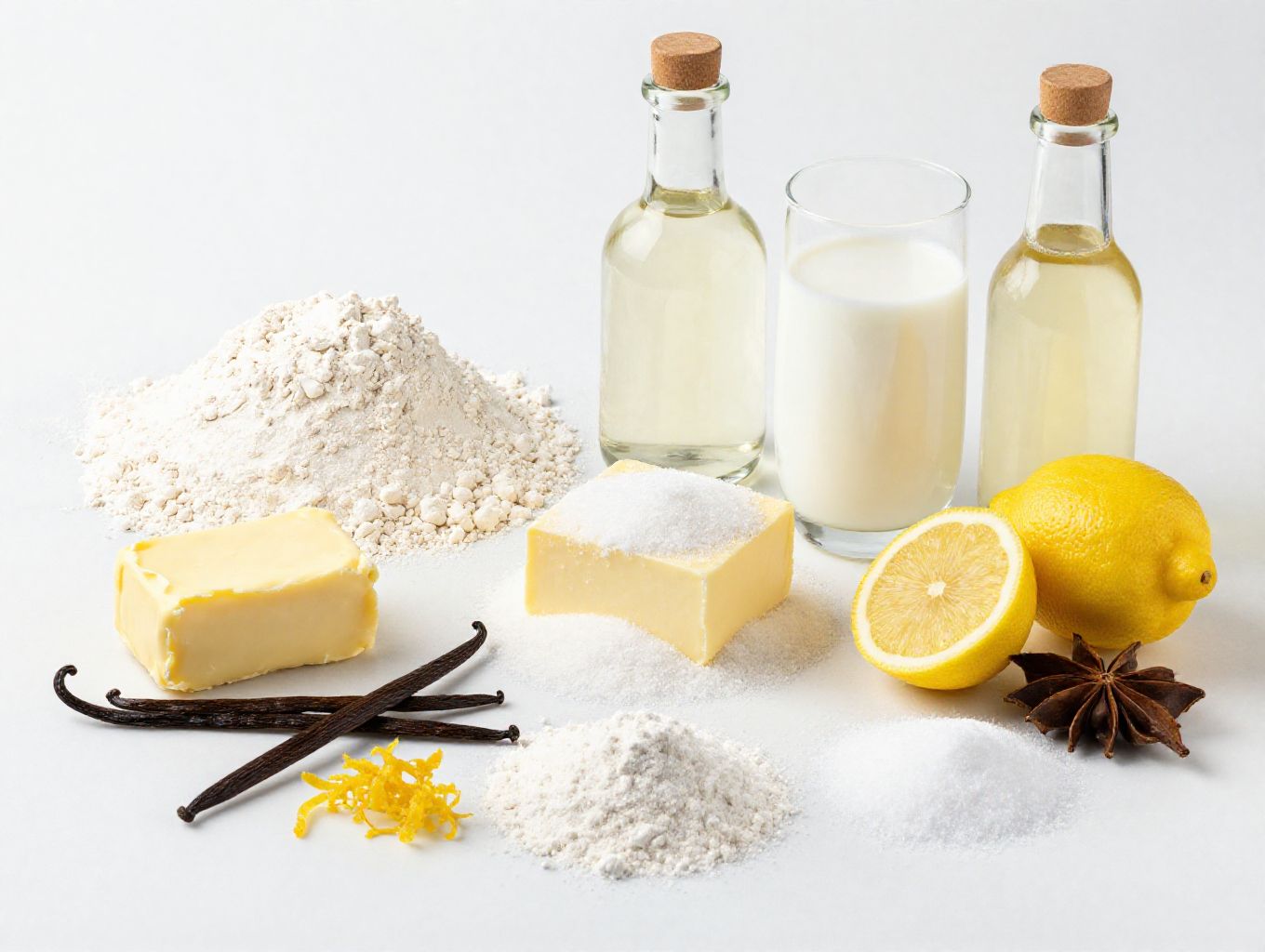
- 2 cups all-purpose flour – provides the structure; you can substitute with a gluten‑free blend if needed.
- 1 cup granulated sugar – sweetens the cake; coconut sugar works as a lower‑glycemic option.
- 1/2 cup vegan butter, softened – gives richness; use a neutral oil for a lighter texture.
- 1 cup non-dairy milk – creates moisture; almond, soy, or oat milk all work well.
- 1 tbsp apple cider vinegar – reacts with the milk to mimic eggs; lemon juice can replace it.
- 1 tbsp lemon juice – adds a subtle tang; orange juice adds a sweet citrus twist.
- 1 tsp vanilla extract – deepens flavor; maple syrup can be used for a caramel note.
- 1 tsp baking powder – leavens the batter; ensure it’s fresh for best rise.
- 1/4 tsp salt – balances sweetness; sea salt enhances the lemon zest.
- 2 tbsp lemon zest – brightens the cake; lime zest offers a different citrus profile.
Timing
Prep Time: 20 min
Cook Time: 55 min
Total Time: 1h 15min
Step 1: Prepare the pan and oven
Preheat the oven to 350°F (175°C) and grease a loaf pan with a thin layer of vegan butter or oil. This prevents sticking and helps the cake release cleanly after baking.
Step 2: Create a buttermilk substitute
In a small bowl, mix the non‑dairy milk with apple cider vinegar. Let the mixture sit for 5 minutes until it thickens and curdles, mimicking traditional buttermilk.
Step 3: Cream butter and sugar
In a large mixing bowl, beat the softened vegan butter with granulated sugar until the mixture looks light and fluffy. This step incorporates air for a tender crumb.
Step 4: Add liquids
Stir in vanilla extract, lemon juice, and the milk‑vinegar mixture into the butter‑sugar blend. Mix just until everything is combined, avoiding over‑mixing.
Step 5: Combine dry ingredients
In a separate bowl, whisk together flour, baking powder, salt, and lemon zest. The zest distributes citrus flavor evenly throughout the batter.
Step 6: Incorporate dry into wet
Gradually add the dry mixture to the wet batter, stirring gently until just combined. Stop mixing as soon as the batter is smooth.
Step 7: Transfer to pan
Pour the batter into the prepared loaf pan, smoothing the top with a spatula. A level surface ensures even baking.
Step 8: Bake the cake
Place the pan in the preheated oven and bake for 50‑55 minutes. The cake is done when a toothpick inserted in the center comes out clean.
Step 9: Cool in the pan
Allow the cake to rest in the pan for 10‑15 minutes. This short cooling period helps the cake set and reduces the risk of breaking.
Step 10: Finish and serve
Transfer the loaf to a wire rack to cool completely. Serve plain, or drizzle a simple lemon glaze made from powdered sugar and lemon juice for extra shine.
Nutritional Information
All values are per serving (1 slice) and are based on the USDA FoodData Central database.
- Calories: 398
- Carbohydrates: 32.53 g
- Protein: 2.32 g
- Fat: 28.80 g
- Saturated Fat: 12.36 g
- Trans Fat: 0.00 g
- Cholesterol: 84 mg
- Sodium: 80 mg
- Sugar: 15.91 g
- Unsaturated Fat: 16.44 g
Nutrition Information Source: Nutrition values are calculated per serving using data from USDA FoodData Central, the official U.S. government database for food composition. Values are approximate and may vary based on specific brands and preparation methods.
Healthier Alternatives for the Recipe
- Swap half of the vegan butter for unsweetened applesauce to cut saturated fat.
- Use coconut sugar or a blend of erythritol and stevia for a lower‑calorie sweetener.
- Replace all‑purpose flour with whole‑wheat pastry flour for added fiber.
- Add a tablespoon of ground flaxseed to boost omega‑3 fatty acids.
- Incorporate a handful of fresh berries into the batter for extra antioxidants.
Serving Suggestions
- Slice the cake and serve with a dollop of coconut whipped cream.
- Top each slice with fresh berries and a drizzle of agave syrup.
- Pair the lemon pound cake with a cup of herbal tea for a light dessert.
- Use the cake as a base for a vegan trifle, layering with fruit and custard.
- Freeze individual slices for a quick snack on hot days.
Common Mistakes to Avoid
- Over‑mixing the batter – this creates a dense, tough crumb.
- Using old baking powder – it won’t lift the cake properly.
- Skipping the 5‑minute rest for the milk‑vinegar mixture – the “buttermilk” effect is essential.
- Opening the oven door too early – it can cause the cake to sink.
- Leaving the cake in the pan too long – it may become soggy at the bottom.
- Using too much flour can make the cake dry; measure carefully using a kitchen scale.
Storing Tips for the Recipe
- Wrap the cooled loaf tightly in plastic wrap or foil to retain moisture.
- Store at room temperature for up to three days; the cake stays soft.
- Refrigerate for longer storage; bring slices to room temperature before serving.
- Freeze slices in airtight bags for up to two months; thaw overnight.
- Refresh a refrigerated slice by microwaving for 10‑15 seconds before eating.
- If the cake dries out, brush the slices with a light syrup made from lemon juice and sugar before serving.
Conclusion
With the right ingredients and careful technique, you can enjoy a classic vegan pound cake that rivals any traditional version. This recipe delivers a dairy‑free cake with a tender crumb, bright lemon notes, and a satisfying richness. Try the variations, experiment with toppings, and share the joy of a plant‑based dessert with friends and family. Ready to bake? Dive into the steps above and discover why these vegan pound cake recipes are perfect for any occasion.
The versatility of this vegan pound cake means you can adapt it for birthdays, picnics, or simple afternoon treats. Its simple ingredient list keeps costs low, and the plant‑based nature aligns with many dietary preferences.
Give it a try today and share your results on social media; we love seeing how you make the recipe your own.
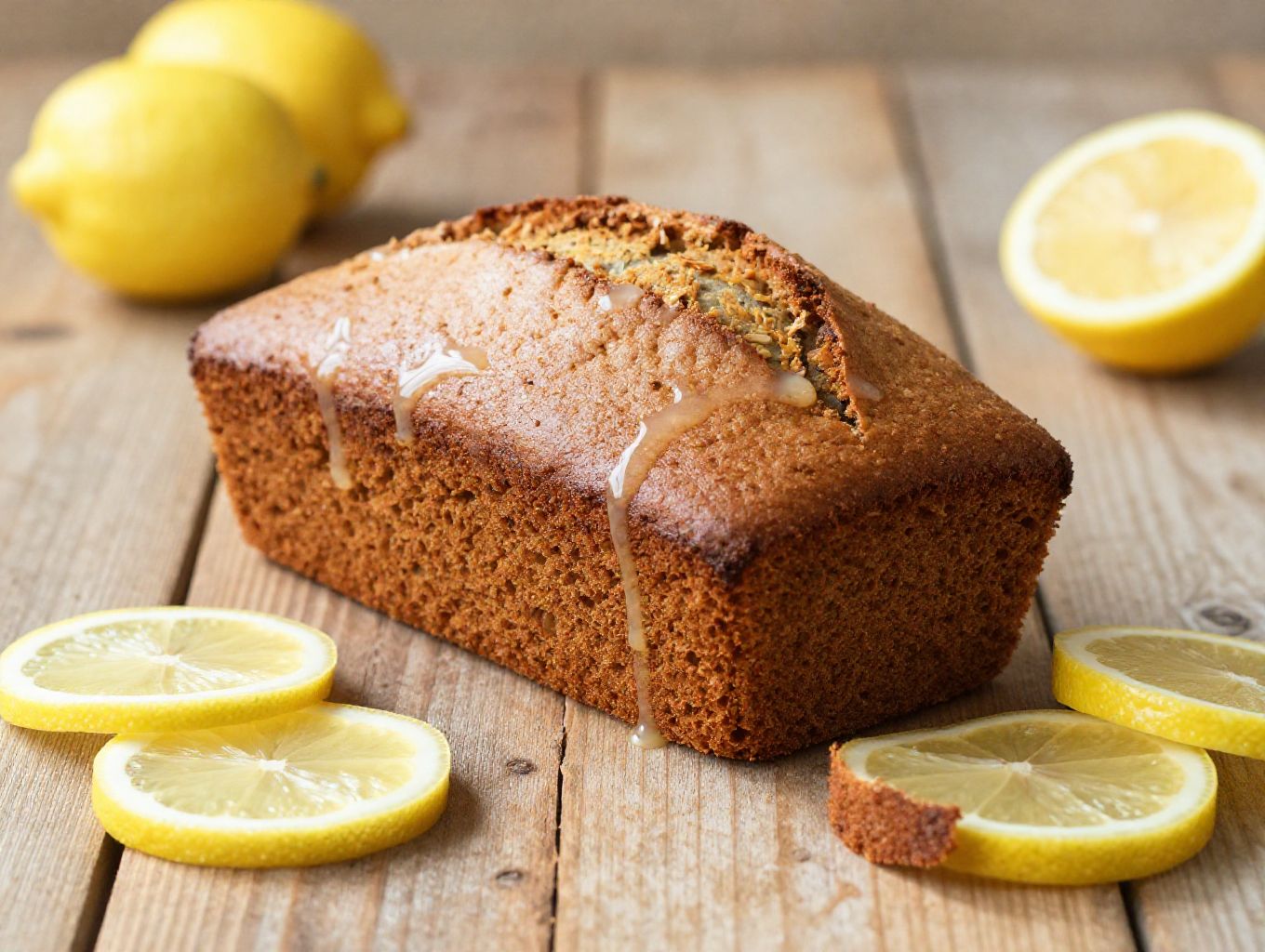
Vegan Pound Cake
Ingredients
Method
- Preheat the oven to 350°F (175°C) and grease a loaf pan.
- In a bowl, mix the non-dairy milk with apple cider vinegar and let sit for 5 minutes.
- In a mixing bowl, cream the vegan butter and granulated sugar until light and fluffy.
- Add the vanilla extract, lemon juice, and milk mixture to the butter mixture, mixing until combined.
- In a separate bowl, whisk together the flour, baking powder, salt, and lemon zest.
- Gradually add the dry ingredients to the wet mixture until just combined. Be careful not to overmix.
- Pour the batter into the prepared loaf pan and smooth the top.
- Bake for 50-55 minutes, or until a toothpick comes out clean from the center.
- Let the cake cool in the pan for 10-15 minutes, then transfer to a wire rack to cool completely.
- Serve plain or top with a lemon glaze made of powdered sugar and lemon juice if desired.
Notes
More vegan pound cake recipes to try
Experiment with different extracts, such as almond or orange, to create new flavor profiles while keeping the cake moist and tender.
The base batter works well with added cocoa powder for a chocolate twist, just replace some of the flour with unsweetened cocoa.
Check out our collection of vegan pound cake recipes for inspiration.
Flavor Variations
Add a swirl of raspberry puree to the batter for a fruity surprise that pairs beautifully with the lemon zest.
For a richer taste, fold in chopped toasted almonds or walnuts just before pouring the batter into the pan.
Explore more ideas in our vegan pound cake recipes guide.
Seasonal Twists
In autumn, stir in pumpkin puree and a pinch of cinnamon for a cozy, spiced cake that still feels light.
During summer, replace the lemon zest with fresh mint leaves and a splash of lime juice for a refreshing twist.
Find more seasonal ideas in our vegan pound cake recipes collection.
Nutritional Benefits of Lemon
Lemon provides vitamin C, which supports immune function and helps the body absorb iron from plant foods.
The citric acid also aids digestion and can enhance the bioavailability of certain minerals, making the cake a little more nutritious.
The acidity can help balance the sweetness, making the overall glycemic impact slightly lower.
Why Choose Vegan Baking?
Vegan baking eliminates animal products, reducing saturated fat and cholesterol while still delivering rich flavor and texture.
Plant‑based ingredients like almond milk and vegan butter offer healthy fats and can be sourced sustainably, aligning with eco‑friendly values.
Try our vegan pound cake recipes to see how easy it can be.
Vegan recipes often require fewer steps, saving time in the kitchen while still delivering delicious results.
Tips for Perfect Texture
Sift the flour before mixing to avoid lumps and ensure an even crumb.
Do not over‑mix after adding the dry ingredients; stop as soon as the batter is smooth.
Allow the cake to cool completely before slicing to prevent crumbs and maintain a clean edge.
If the batter looks too thick, add a splash of extra non‑dairy milk to reach a smooth consistency.
Use room‑temperature ingredients to ensure even mixing and optimal rise.
Serving Ideas for Special Occasions
Pair the cake with a scoop of dairy‑free vanilla ice cream for a classic sundae that feels indulgent.
For brunch, top slices with fresh berries and a drizzle of maple syrup, then serve alongside a hot cup of coffee.
Holiday gatherings can feature a dusting of powdered sugar and a few candied orange slices for a festive look.
Add a dusting of powdered sugar and a few candied lemon peel for an elegant presentation.
Ingredient Spotlight: Lemon Zest
Lemon zest contains essential oils that brighten flavor without adding extra liquid, making it perfect for dense cakes.
A small amount of zest adds a burst of aroma, and it also contributes a modest amount of vitamin C.
If fresh lemons are unavailable, use bottled lemon zest, but reduce the added lemon juice to avoid excess moisture.
Pairing Beverages
Serve the cake with a chilled glass of sparkling water infused with cucumber, or a cup of herbal tea for a soothing finish.
FAQs
- Can I make this cake without lemon? Yes, omit the lemon juice and zest, and replace them with orange juice and zest for a sweet citrus twist.
- Is this cake suitable for people with nut allergies? Use a nut‑free vegan butter and ensure the non‑dairy milk is soy or oat based.
- How many calories are in a slice? Each slice contains about 398 calories, based on USDA data.
- Can I add protein to this dessert? Incorporate a scoop of plant‑based protein powder into the batter; it blends well with the lemon flavor. For more on protein, see Harvard’s overview of dietary protein.
- What makes this cake “eggless”? The combination of apple cider vinegar and non‑dairy milk creates a leavening effect that replaces eggs.