How to Hard-Boiled Eggs: Perfectly Cooked Every Time
Introduction
Ever wondered why some hard-boiled eggs crack or have a rubbery texture? Mastering how to hard-boiled eggs is easier than you think, and the results are rewarding. In this guide, you’ll learn a foolproof method that guarantees smooth shells and creamy yolks every time. Whether you need a quick snack, a salad topping, or a protein boost for breakfast, this technique delivers consistent results.
Understanding the science behind the water temperature and cooling phase makes the process reliable. Follow each step, and you’ll never struggle with stubborn shells again. Let’s explore the details that turn a simple kitchen task into a culinary confidence boost.
Why Choose Hard-Boiled Eggs?
Hard-boiled eggs are a portable, protein‑rich snack that fits any diet. They require no cooking equipment beyond a saucepan, making them ideal for busy mornings. Knowing how to hard-boiled eggs also saves money compared to store‑bought pre‑cooked options.
Because the yolk stays fully set, you can slice, dice, or mash them without worrying about runny centers. This stability makes them perfect for salads, sandwiches, and meal‑prep containers.
Understanding the Science of Boiling
When cold water meets a hot pan, the temperature rises gradually, preventing sudden shell cracks. The gentle heat also allows the albumen to coagulate evenly, resulting in a tender white.
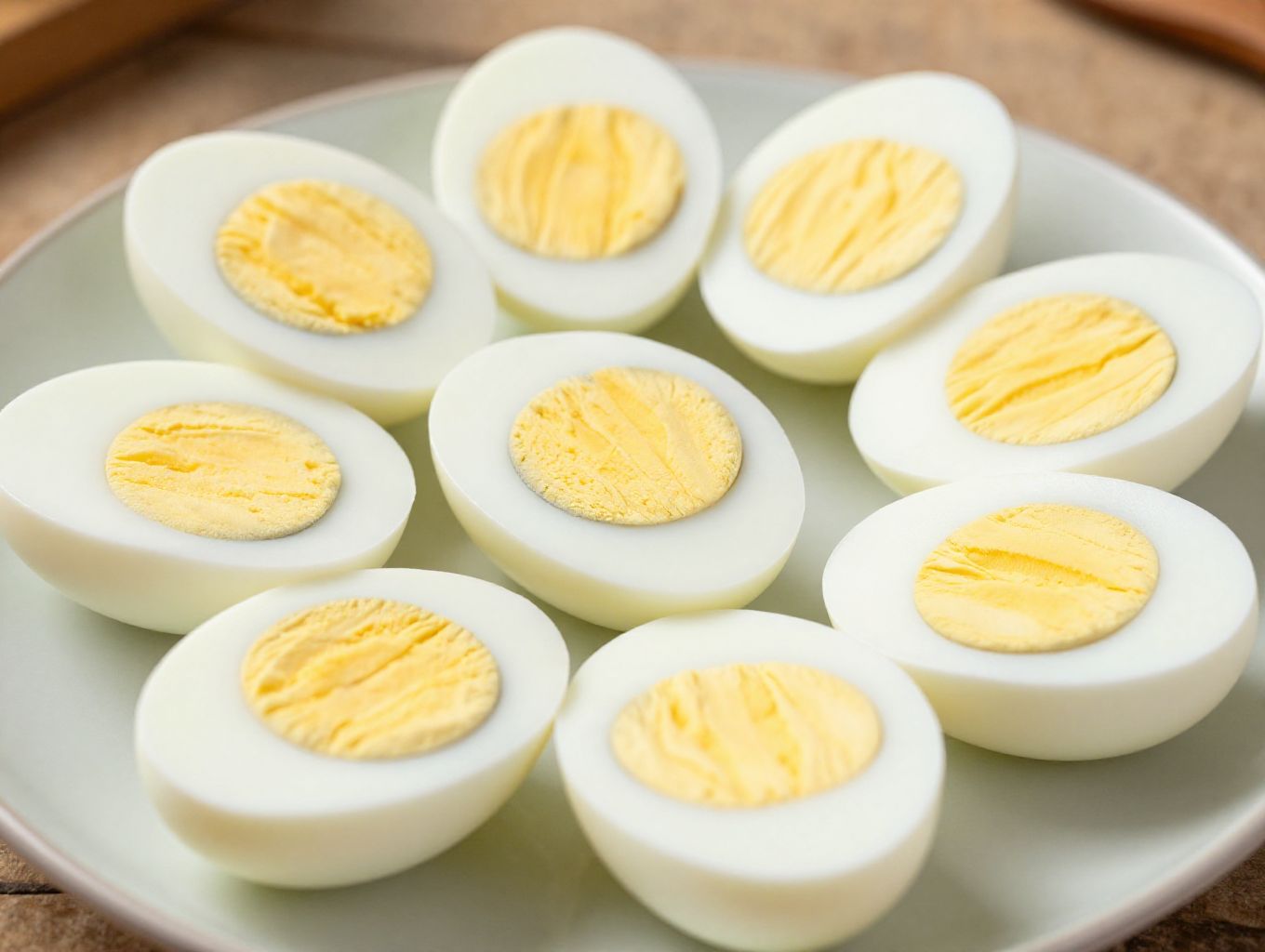
Rapid cooling in an ice bath stops the cooking process, locking in the yolk’s bright color and preventing the green ring that appears from overcooking. Mastering how to hard-boiled eggs therefore hinges on timing and temperature control.
Ingredients List
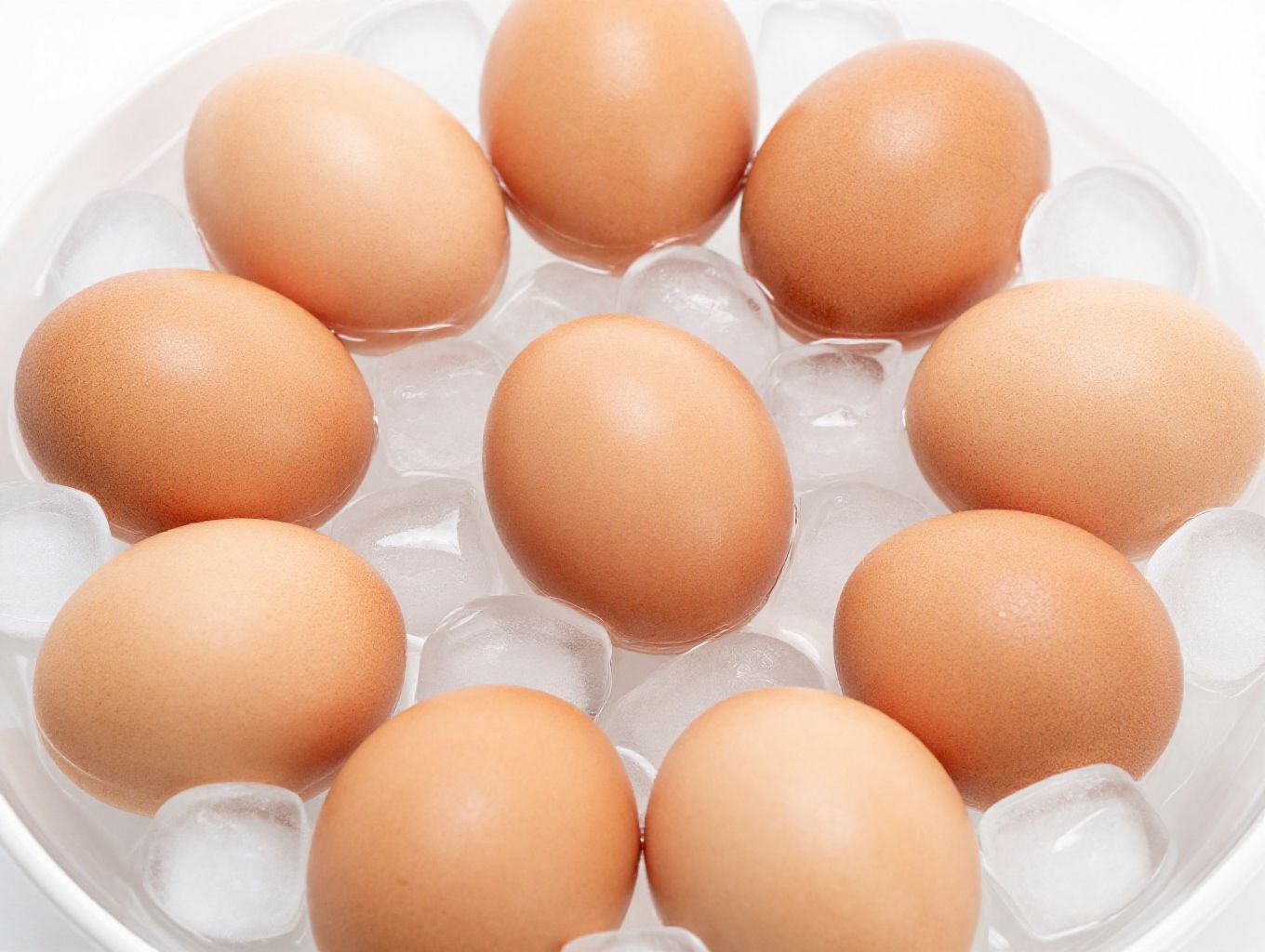
- 12 large eggs – Fresh, grade‑A eggs give the best texture and flavor.
- Water – Use cold tap water to start; it helps prevent cracks.
- Ice – A bowl of ice water creates an instant chill, stopping the cooking process.
Optional substitutions: If you prefer a gentler boil, replace part of the water with low‑sodium broth for added flavor. For a vegan presentation, you can use plant‑based egg substitutes, though timing will differ.
Timing
| Prep Time: | 0 min |
| Cook Time: | 20 min |
| Total Time: | 20 min |
These times reflect the exact schedule from the recipe data. Adjust the resting time in the hot water if you prefer a slightly softer yolk.
Step‑by‑Step Instructions
Step 1: Prepare the Pan
Fill a saucepan about a quarter of the way with cold water. Place the eggs in a single layer at the bottom of the saucepan. Add enough water to cover the eggs by at least an inch to two inches.
Step 2: Bring to a Boil
Turn the heat to high and bring the water to a rolling boil with the pan uncovered. Watch for a steady, vigorous bubble. This stage is where the heat fully penetrates the shells.
Step 3: Let Them Sit
Once boiling, cover the pot and remove it from heat. Let the eggs sit in hot water for about 12 minutes, adjusting based on your preferred doneness. This passive cooking creates a uniformly set yolk.
Step 4: Cool Rapidly
Carefully drain the hot water and transfer the eggs to an ice bath or run cold water over them until cool to the touch. This stops the cooking process and makes peeling easier. A quick chill also helps the membrane separate from the shell.
Step 5: Peel and Store
Peel the eggs under running water for the best results! Store unpeeled eggs in a covered container in the fridge for up to 5 days and peeled eggs for 1‑2 days. Enjoy your perfectly hard‑boiled eggs anytime.
Tips for Perfect Peeling
- Start with eggs that are at least a week old; older shells release more easily.
- Tap the egg gently on a hard surface to create a network of cracks before peeling.
- Peel under a thin stream of running water; the water slides between the shell and membrane.
- Roll the egg on the counter to loosen the shell before starting the peel.
Nutrition Information
All values are per serving (1 egg) and derived from USDA FoodData Central.
- Calories: 74
- Carbohydrate: 0.48 g
- Protein: 6.20 g
- Fat: 4.98 g
- Saturated Fat: 1.60 g
- Trans Fat: 0.00 g
- Cholesterol: 205 mg
- Sodium: 64 mg
- Sugar: 0.10 g
- Unsaturated Fat: 3.38 g
Nutrition Information Source: Nutrition values are calculated per serving using data from USDA FoodData Central, the official U.S. government database for food composition. Values are approximate and may vary based on specific brands and preparation methods.
Healthier Alternatives for the Recipe
- Use a low‑sodium broth instead of plain water for added flavor without extra salt.
- Add a splash of apple cider vinegar to the cooking water; it can help soften the shell and aid peeling.
- Incorporate chopped herbs like chives or dill into the ice bath for a subtle infusion of freshness.
- For a lower‑fat option, consider using egg whites only; the cooking time remains the same.
Serving Suggestions
- Slice and place over mixed greens for a protein‑rich salad.
- Dice and mix with avocado, lime juice, and cilantro for a quick taco filling.
- Serve whole with a pinch of smoked paprika and sea salt as a snack.
- Use as a base for classic deviled eggs, adding mustard and light mayo.
- Chunk into a grain bowl with quinoa, roasted vegetables, and a drizzle of tahini.
- Blend peeled eggs with a little Greek yogurt for a creamy spread on toast.
Common Mistakes to Avoid
- Skipping the ice bath – eggs continue cooking and become over‑done.
- Using hot tap water – it can crack shells before the boil starts.
- Covering the pot while boiling – this may cause the water to boil over.
- Peeling too early – warm eggs are harder to handle and peel.
- Leaving the eggs in the hot water for too long – this creates a green ring around the yolk.
- Not rotating the pan – uneven heat can lead to partially cooked whites.
Storing Tips for the Recipe
- Keep unpeeled eggs in their original carton inside a covered container for up to five days.
- Place peeled eggs in a bowl of cold water, changing the water daily, for up to two days.
- Label the container with the date to track freshness.
- For longer storage, freeze hard‑boiled yolks separately; they can be used in salads.
- Store peeled eggs in a sealed container with a damp paper towel to maintain moisture.
- Avoid storing eggs near strong‑smelling foods to prevent odor absorption.
Conclusion
Now you know exactly how to hard-boiled eggs with confidence and consistency. The simple steps, quick cooling, and proper storage make this a reliable staple for any meal. Try the method today, experiment with the healthy tweaks, and enjoy perfectly cooked eggs whenever you need them.
Share your results in the comments, and explore more protein‑packed recipes on our site.
How to Hard-Boiled Eggs
Ingredients
Method
- Fill a saucepan about a quarter of the way with cold water. Place the eggs in a single layer at the bottom of the saucepan. Add enough water to cover the eggs by at least an inch to two inches.
- Turn the heat to high and bring the water to a rolling boil with the pan uncovered.
- Once boiling, cover the pot and remove it from heat. Let the eggs sit in hot water for about 12 minutes, adjusting based on your preferred doneness.
- Carefully drain the hot water and transfer the eggs to an ice bath or run cold water over them until cool to the touch. This stops the cooking process and makes peeling easier.
- Peel the eggs under running water for the best results! Store unpeeled eggs in a covered container in the fridge for up to 5 days and peeled eggs for 1-2 days. Enjoy your perfectly hard-boiled eggs!
Notes
FAQs
- Can I use medium or extra‑large eggs? Yes, but adjust the cooking time by ±1 minute for medium eggs and +1 minute for extra‑large eggs.
- Why does my egg white turn green? Overcooking releases sulfur, which reacts with iron in the yolk; a precise 12‑minute soak prevents this.
- How long can I keep peeled eggs? Store peeled eggs in a sealed container in the refrigerator for 1‑2 days for optimal texture.
- What’s the best way to peel eggs? Peel under a gentle stream of running water; the water slides between the shell and membrane, easing removal.
- How much protein do hard‑boiled eggs provide? Each egg offers about 6 g of high‑quality protein, supporting muscle maintenance and satiety. For broader guidance on protein intake, see Harvard’s overview of dietary protein.
- Can I add spices to the boiling water? Yes, a pinch of salt or pepper can subtly season the whites without affecting texture.
- Are hard‑boiled eggs suitable for a low‑carb diet? Absolutely; they contain less than 1 g of carbs per serving.