how to make chia seed pudding with almond milk
Introduction
Looking for a quick and nutritious snack? Learn how to make chia seed pudding with almond milk that delivers protein, fiber, and a creamy texture. This simple recipe fits a busy lifestyle and satisfies sweet cravings without added sugars. It works as a vegan breakfast, a post‑workout snack, or a light dessert.
When you ask yourself how to make chia seed pudding with almond milk, the answer lies in the magic of chia seeds swelling in liquid. The result is a thick, satisfying pudding that can be prepared in minutes and customized endlessly.
Why this recipe works
Understanding how to make chia seed pudding with almond milk helps you appreciate the science behind the texture. Chia seeds absorb up to 12 times their weight in liquid, creating a gel that feels like a custard.
Because the recipe uses almond milk, you get a dairy‑free base that is low in saturated fat while still providing a pleasant nutty flavor. This balance makes the pudding ideal for a healthy breakfast or snack.
Ingredient Benefits
Each component in how to make chia seed pudding with almond milk contributes to nutrition. Almond milk supplies calcium and vitamin E, while chia seeds add omega‑3 fatty acids, fiber, and protein.
Maple syrup gives a touch of natural sweetness, and vanilla extract provides aroma without extra calories. Himalayan salt enhances flavor and supplies trace minerals.
Ingredients List
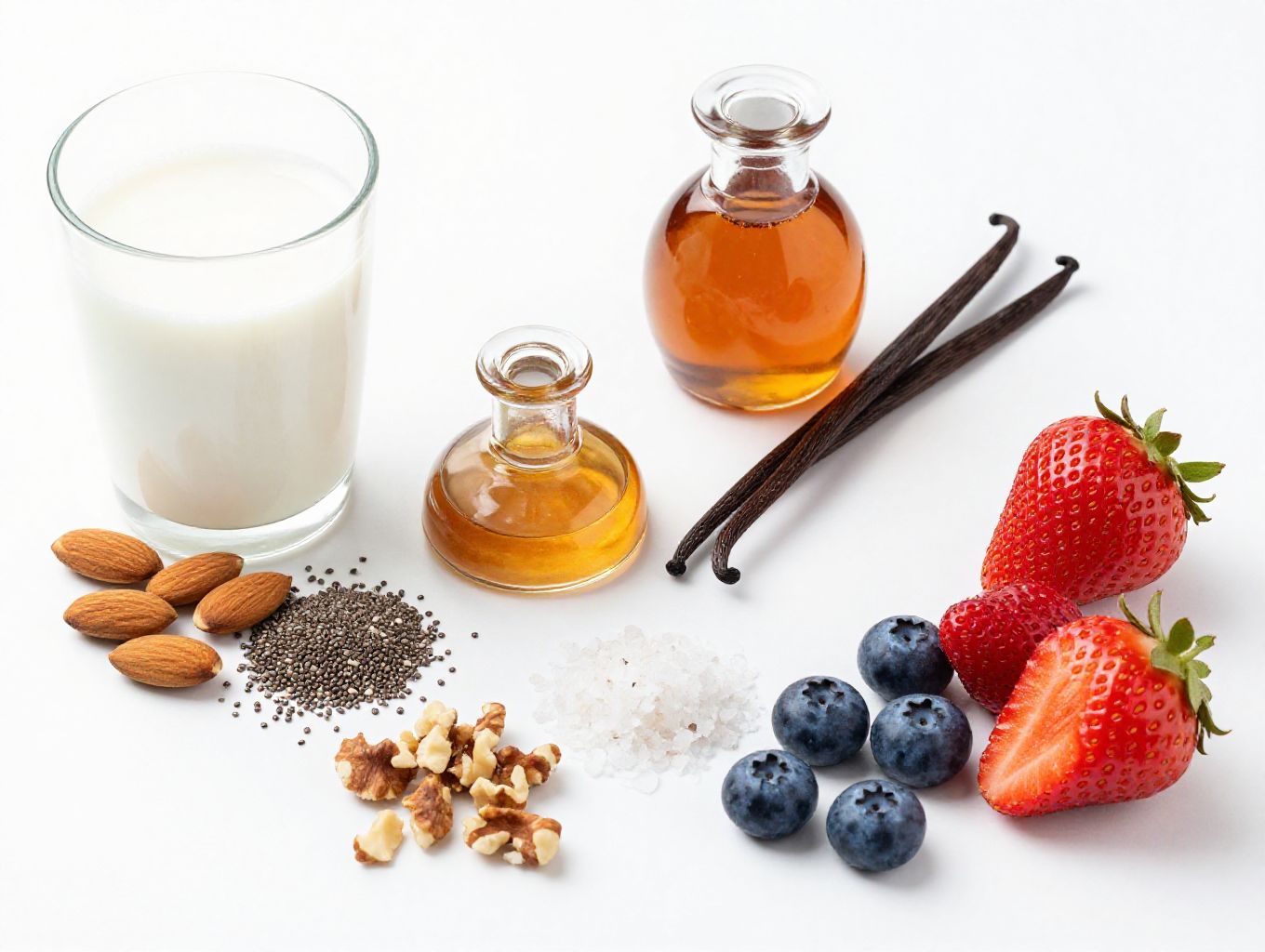
- 3 cups almond milk – choose unsweetened for lower sugar, or flavored for extra taste.
- ½ cup chia seeds – the star of the pudding, providing omega‑3s and fiber.
- ½ teaspoon maple syrup – adds a gentle sweetness; you can replace with agave or honey.
- 1 teaspoon vanilla extract – enhances aroma, optional if you prefer plain flavor.
- 1 pinch Himalayan salt – balances sweetness, a sea‑salt alternative works too.
- Strawberries – sliced fresh, provide vitamin C and a bright color.
- Blueberries – packed with antioxidants, great for topping.
- Chopped nuts or granola – add crunch and extra protein; almonds or walnuts work well.
- Coconut flakes – for a tropical finish, optional.
If you need a substitution, use oat milk instead of almond milk, or hemp seeds in place of chia for a different texture.
Timing
- Prep Time: 10 min
- Cook Time: 0 min
- Total Time: 10 min (plus chilling)
Step-by-Step Instructions
Step 1: How to make chia seed pudding with almond milk – whisk the base
In a bowl, whisk together the almond milk, chia seeds, maple syrup, vanilla extract, and Himalayan salt. Use a fork or small whisk to break up any seed clumps.
Step 2: Let it rest
Allow the mixture to sit for 10 minutes. This pause is essential when you learn how to make chia seed pudding with almond milk because the seeds begin to absorb liquid.
Step 3: Whisk again
After the rest period, whisk the pudding a second time. This step prevents clumping and ensures a smooth texture, a key tip for how to make chia seed pudding with almond milk.
Step 4: Refrigerate
Transfer the mixture to a jar or container, cover, and refrigerate for at least 2 hours or overnight for best results. The chilling stage is the final piece of how to make chia seed pudding with almond milk.
Step 5: Serve and top
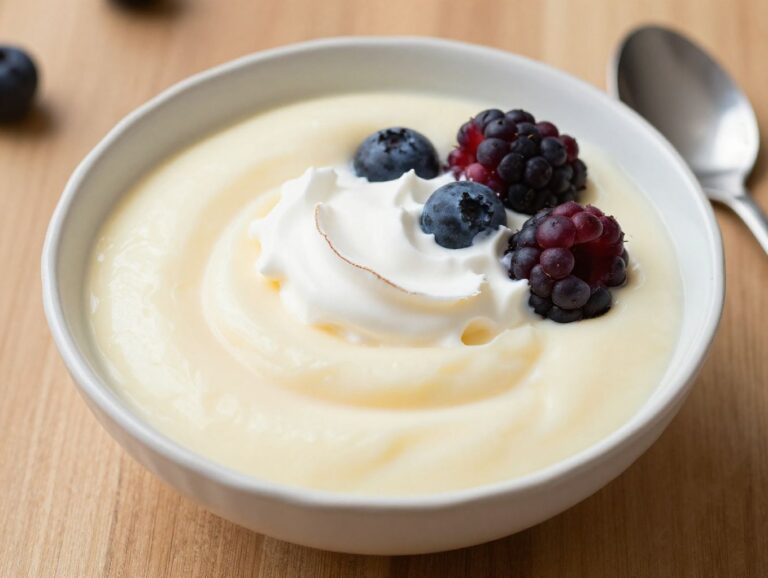
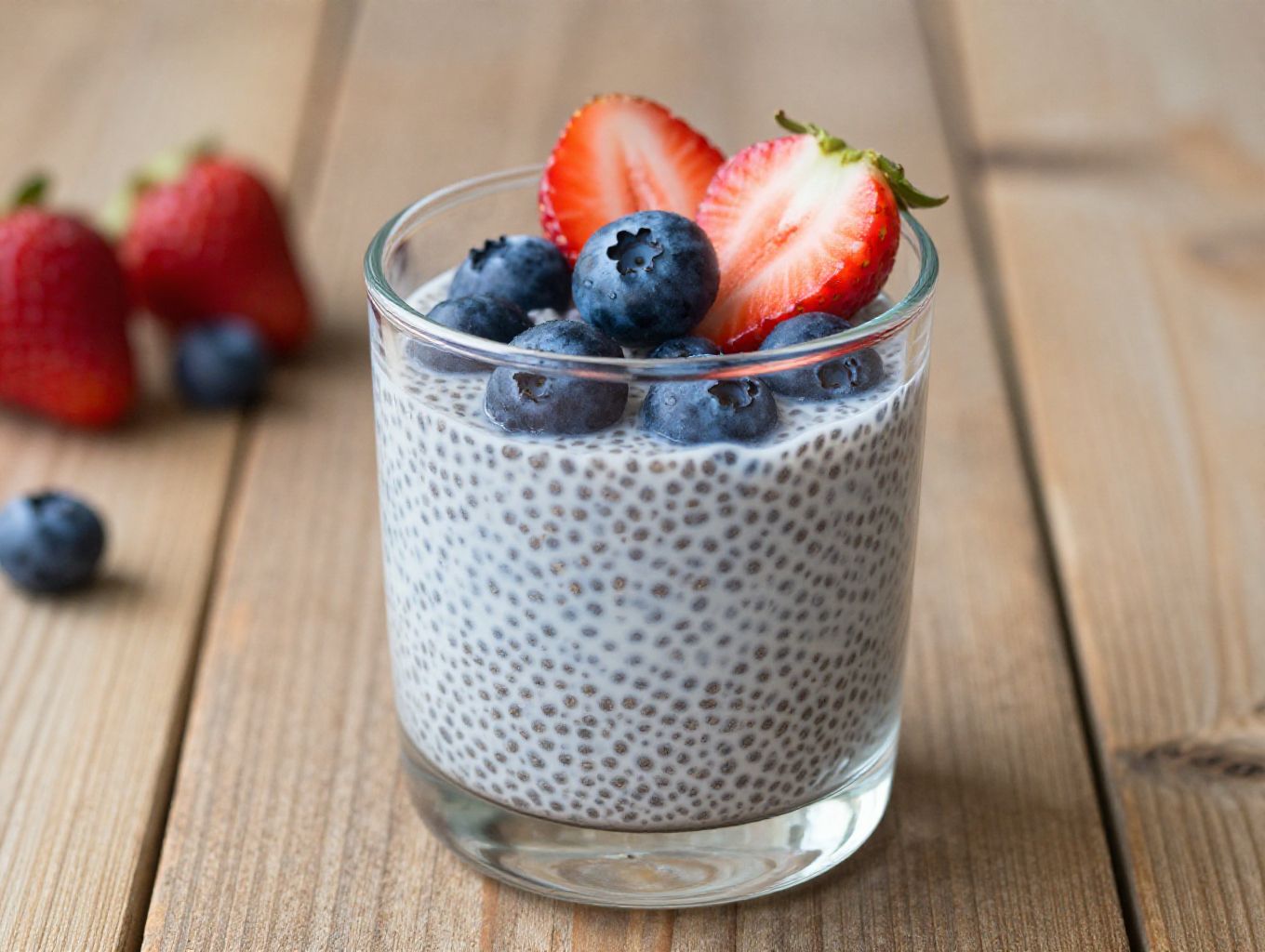
Once set, give the pudding a gentle stir. Serve topped with strawberries, blueberries, chopped nuts, granola, or coconut flakes based on your preference. Enjoy your chia pudding chilled and remember that this is the rewarding end of how to make chia seed pudding with almond milk.
Nutritional Information
The nutrition profile reflects how to make chia seed pudding with almond milk per serving. All values are derived from USDA FoodData Central and are approximate.
- Calories: 341
- Carbohydrates: 26.20g
- Protein: 11.32g
- Fat: 22.33g
- Saturated Fat: 0.70g
- Trans Fat: 0.00g
- Cholesterol: 0mg
- Sodium: 280mg
- Sugar: 2.24g
- Unsaturated Fat: 21.63g
Nutrition Information Source: Nutrition values are calculated per serving using data from USDA FoodData Central, the official U.S. government database for food composition. Values are approximate and may vary based on specific brands and preparation methods.
Healthier Alternatives for the Recipe
If you want to tweak how to make chia seed pudding with almond milk for extra nutrition, consider these swaps. Use oat milk to increase fiber, or add a scoop of plant‑based protein powder for a protein boost.
- Swap almond milk for oat milk to increase fiber.
- Use a sugar‑free sweetener like stevia if you watch sugar intake.
- Add a scoop of plant‑based protein powder for extra protein.
- Replace maple syrup with mashed ripe banana for natural sweetness.
- Include a pinch of cinnamon for anti‑inflammatory benefits.
Serving Suggestions
Creative serving ideas make how to make chia seed pudding with almond milk even more exciting. Layer the pudding with fresh fruit and granola for a parfait.
- Blend the chilled pudding with frozen berries for a smoothie bowl.
- Top with a drizzle of almond butter for extra richness.
- Serve in small glass jars for a portable breakfast.
- Pair with a cup of herbal tea for a balanced snack.
Common Mistakes to Avoid
When learning how to make chia seed pudding with almond milk, avoid these pitfalls. Skipping the second whisk leads to clumpy pudding.
- Using too little liquid makes the texture gritty.
- Not allowing enough chilling time prevents proper thickening.
- Over‑sweetening masks the natural flavor of chia.
- Storing in a warm place can cause separation.
Storing Tips for the Recipe
Proper storage keeps how to make chia seed pudding with almond milk fresh for days. Keep the pudding sealed in an airtight container.
- Store in the refrigerator for up to four days.
- Stir before serving if separation occurs.
- Add fresh toppings only when ready to eat.
- Label the container with the date for easy tracking.
Conclusion
Now you know how to make chia seed pudding with almond milk, a versatile dish that fits any schedule. The recipe is quick, nutrient‑dense, and customizable for every palate.
Try it tonight, store leftovers, and experiment with toppings. Share your creations and let friends discover this easy, healthy snack.
Chia Seed Pudding with Almond Milk
Ingredients
Method
- In a bowl, whisk together the almond milk, chia seeds, maple syrup, vanilla extract, and Himalayan salt.
- Let the mixture sit for 10 minutes, then whisk again to prevent clumping.
- Transfer to a jar or container, cover, and refrigerate for at least 2 hours or overnight for best results.
- Once set, give it a stir and serve topped with strawberries, blueberries, chopped nuts, granola, or coconut flakes based on your preference. Enjoy your chia pudding chilled!
Notes
FAQs
- Can I use a different milk? Yes, coconut, soy, or oat milk work well and keep the pudding dairy‑free.
- How long does the pudding need to set? At least 2 hours, but overnight yields the thickest texture.
- Is this recipe suitable for a vegan diet? Absolutely, all ingredients are plant‑based.
- Can I sweeten the pudding without maple syrup? Try agave nectar, honey (if not vegan), or a dash of stevia.
- Why is protein important in a vegan breakfast? Protein supports muscle repair and keeps you full longer. Learn more from Harvard’s overview of dietary protein.