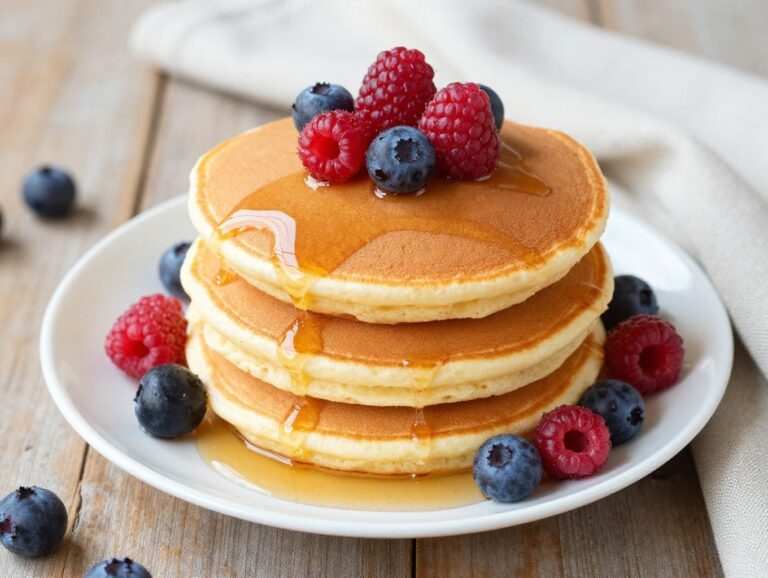
Protein Packed Snack Ideas for Breakfast
Introduction
Do you struggle to find protein packed snack ideas for breakfast that are both quick and satisfying? You are not alone. Many people need a fast, nutritious start that keeps them full until lunch. This guide delivers tasty, high‑protein, healthy options that fit into a busy morning routine.
From fluffy egg muffins to creamy chia pudding, each recipe is designed for protein packed snack ideas for breakfast. You’ll discover quick recipes that require minimal prep, yet deliver the protein boost you crave. Let’s explore how to turn ordinary ingredients into power‑filled morning snacks.
Ingredients List
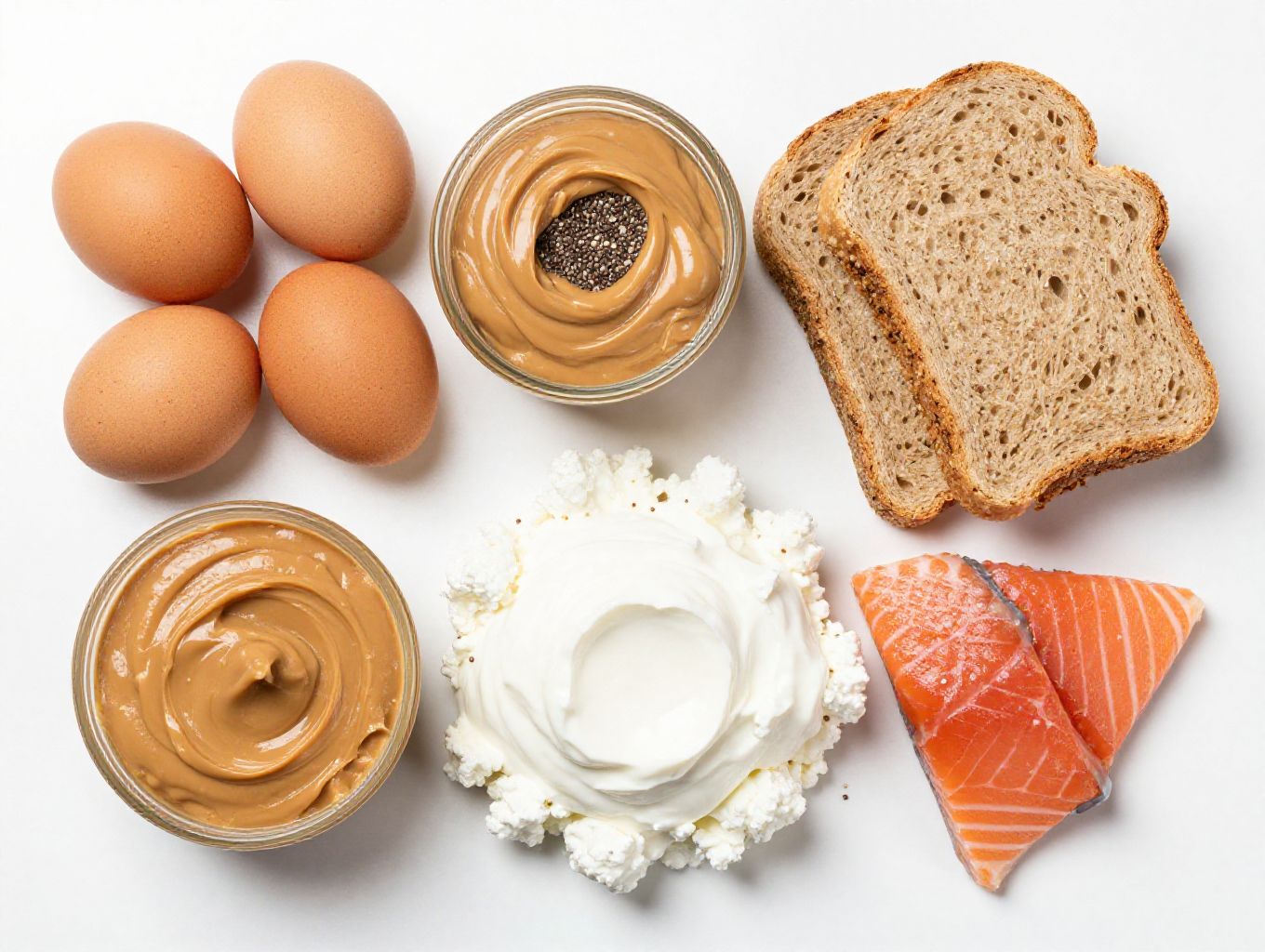
- Eggs – versatile base for muffins and bowls; substitute with egg whites for lower fat.
- Chia seeds – provide fiber and omega‑3; can replace with ground flaxseed.
- Nut butter – adds healthy fats; almond or peanut work well.
- Greek yogurt – thick, high‑protein dairy; use plant‑based yogurt for a dairy‑free version.
- Whole‑grain bread – offers complex carbs; try sprouted grain or rye.
- Cottage cheese – creamy protein boost; substitute with ricotta.
- Quinoa – complete protein grain; replace with farro or bulgur.
- Salmon – smoked or cooked, rich in omega‑3; try tuna or tofu for variety.
Timing
Prep Time: 15 min
Cook Time: 30 min
Total Time: 45 min
Step‑by‑Step Instructions
Step 1: Prepare Egg Muffins
Whisk eggs in a bowl, add chopped vegetables and cheese, then pour into a muffin tin. Bake at 350°F for 20 minutes until set. These muffins are portable and perfect for a grab‑and‑go snack.
Step 2: Make Chia Pudding
Combine chia seeds with milk or yogurt in a jar, stir well, and refrigerate overnight. By morning, the mixture thickens into a pudding‑like texture. Top with fruit for extra flavor.
Step 3: Assemble Greek Yogurt Parfait
Layer Greek yogurt with fresh berries and a sprinkle of granola in a glass. The contrast of creamy, crunchy, and sweet makes a satisfying breakfast parfait.
Step 4: Toast Nut Butter Bread
Spread your favorite nut butter on a slice of whole‑grain bread. Add banana slices or a drizzle of honey for a sweet touch.
Step 5: Mix Cottage Cheese Bowl
Stir cottage cheese with diced fruit or a handful of nuts. This bowl offers a smooth texture and a protein punch.
Step 6: Cook Quinoa Breakfast Bowl
Prepare quinoa according to package directions, then top with sautéed vegetables and a protein source such as scrambled eggs or smoked salmon.
Step 7: Serve Smoked Salmon
Place smoked salmon on toasted whole‑grain bread or alongside cottage cheese. A squeeze of lemon brightens the flavor.
Nutritional Information
All values are per serving.
- Calories: 200 kcal
- Carbohydrate: 25 g
- Protein: 20 g
- Fat: 8 g
- Saturated Fat: 2 g
- Trans Fat: 0 g
- Cholesterol: <5 mg
- Sodium: 400 mg
- Sugar: 5 g
- Unsaturated Fat: 4 g
Nutrition Information Source: Nutrition values are calculated per serving using data from USDA FoodData Central, the official U.S. government database for food composition. Values are approximate and may vary based on specific brands and preparation methods.
Healthier Alternatives for the Recipe
- Swap whole‑grain bread for a low‑carb wrap to reduce carbs.
- Use unsweetened almond milk in chia pudding for fewer calories.
- Choose low‑fat Greek yogurt to cut saturated fat.
- Add spinach or kale to egg muffins for extra micronutrients.
- Replace nut butter with seed butter (e.g., sunflower) for a nut‑free option.
Serving Suggestions
- Pair egg muffins with a side of fresh salsa for extra flavor.
- Top chia pudding with toasted coconut flakes for crunch.
- Serve Greek yogurt parfait with a drizzle of honey for sweetness.
- Enjoy nut butter toast with sliced strawberries for a fruit boost.
- Combine cottage cheese bowl with a sprinkle of cinnamon for warmth.
- Mix quinoa breakfast bowl with a splash of soy sauce for an umami twist.
- Arrange smoked salmon on a platter with capers and red onion.
Common Mistakes to Avoid
- Over‑mixing egg batter can make muffins dense.
- Leaving chia seeds uncovered may cause them to dry out.
- Using low‑quality granola can add excess sugar.
- Skipping the pre‑heat step results in uneven cooking.
- Neglecting to season quinoa leaves it bland.
Storing Tips for the Recipe
- Keep egg muffins in an airtight container in the fridge for up to three days.
- Store chia pudding in sealed jars; it stays fresh for five days.
- Layer parfaits just before eating to keep granola crunchy.
- Freeze nut butter toast without toppings; add fruit after reheating.
- Refrigerate cottage cheese bowls for two days; stir before serving.
- Cool quinoa completely before refrigerating to prevent sogginess.
- Wrap smoked salmon tightly to maintain freshness for four days.
Conclusion
These protein packed snack ideas for breakfast prove that a nutritious start can be quick, tasty, and varied. By using simple ingredients like eggs, chia seeds, and Greek yogurt, you can meet your high protein goals without sacrificing flavor. Try these recipes, experiment with the suggested alternatives, and enjoy a healthier morning routine.
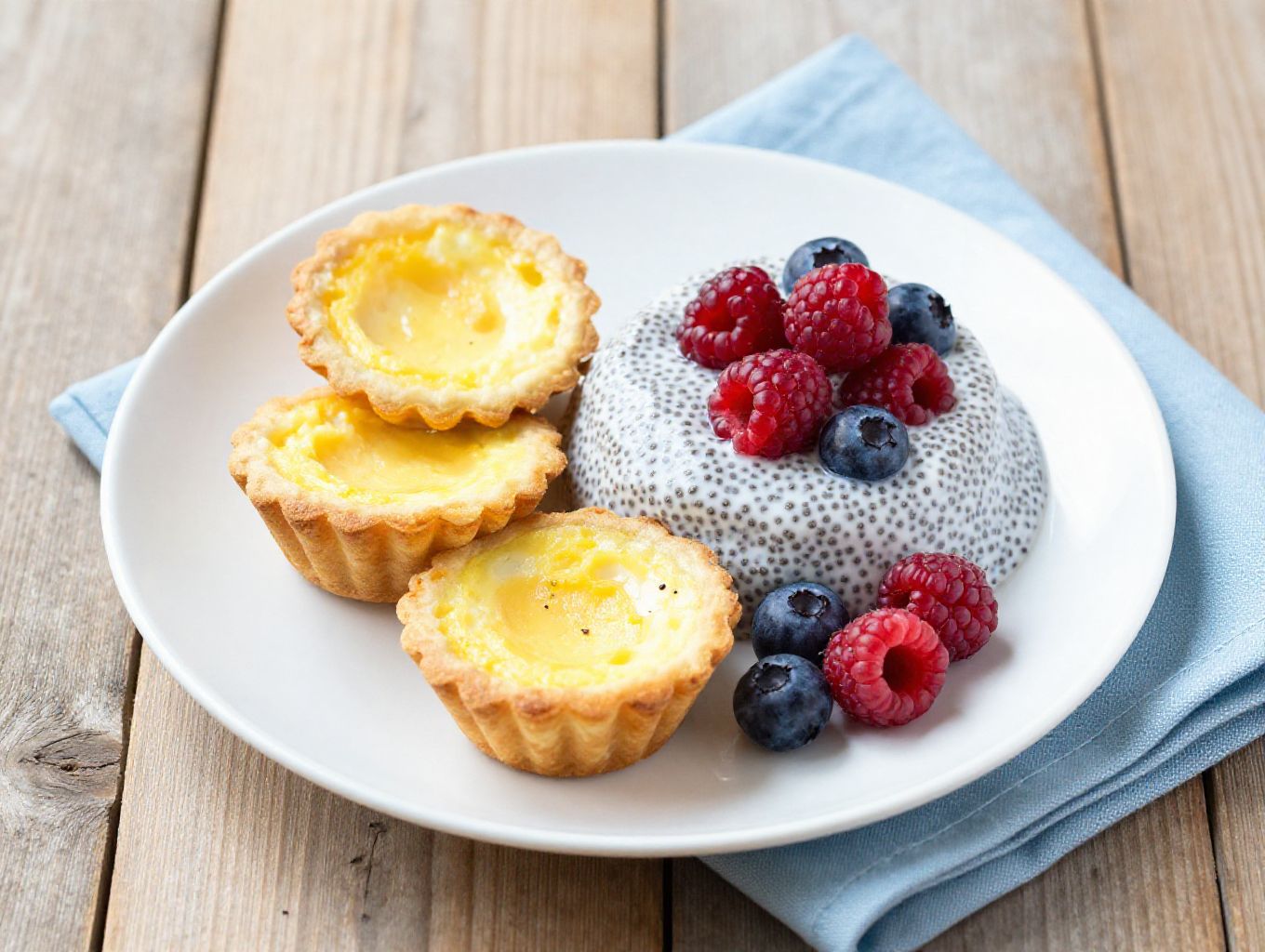
Protein Packed Breakfast Snacks
Ingredients
Method
- Prepare egg muffins by whisking eggs and adding desired vegetables and cheese, then baking in a muffin tin.
- Soak chia seeds in milk or yogurt overnight to create a pudding texture.
- Layer Greek yogurt with fruits and granola for a parfait.
- Spread nut butter on whole-grain bread for a quick toast option.
- Mix cottage cheese with fruits or nuts for a protein-packed breakfast bowl.
- Cook quinoa and use it as a base for a savory breakfast bowl with vegetables and protein.
- Serve smoked salmon on whole-grain bread or with cottage cheese.
Notes
FAQs
- Can I prepare these snacks ahead of time? Yes, most items such as egg muffins, chia pudding, and quinoa bowls store well for several days in the fridge.
- Are these snacks suitable for a low‑carb diet? Choose low‑carb swaps like almond flour muffins or lettuce wraps for the toast.
- How much protein does each snack provide? Each serving delivers roughly 20 g of protein, helping you meet daily intake goals.
- Where can I find detailed nutrient data for these snacks? The USDA FoodData Central nutrient database offers comprehensive information on individual ingredients.