How to use rice paper for spring rolls: Perfectly Delicious
Introduction
Are you curious about how to use rice paper for spring rolls to create light, crunchy bites that burst with flavor? This guide walks you through a simple spring roll recipe that feels fresh and satisfying. Whether you’re prepping a quick snack or an elegant appetizer, rice paper wraps transform ordinary ingredients into a vibrant dish. Let’s explore the steps, tips, and nutrition behind these delightful Vietnamese spring rolls.
Rice paper is a thin, edible sheet made from rice flour, water, and a touch of salt. When softened, it becomes pliable enough to enclose a variety of fillings, from protein‑rich shrimp to crisp veggies. The result is a portable, healthy snack that fits perfectly into any summer gathering or casual dinner.
Ingredients List
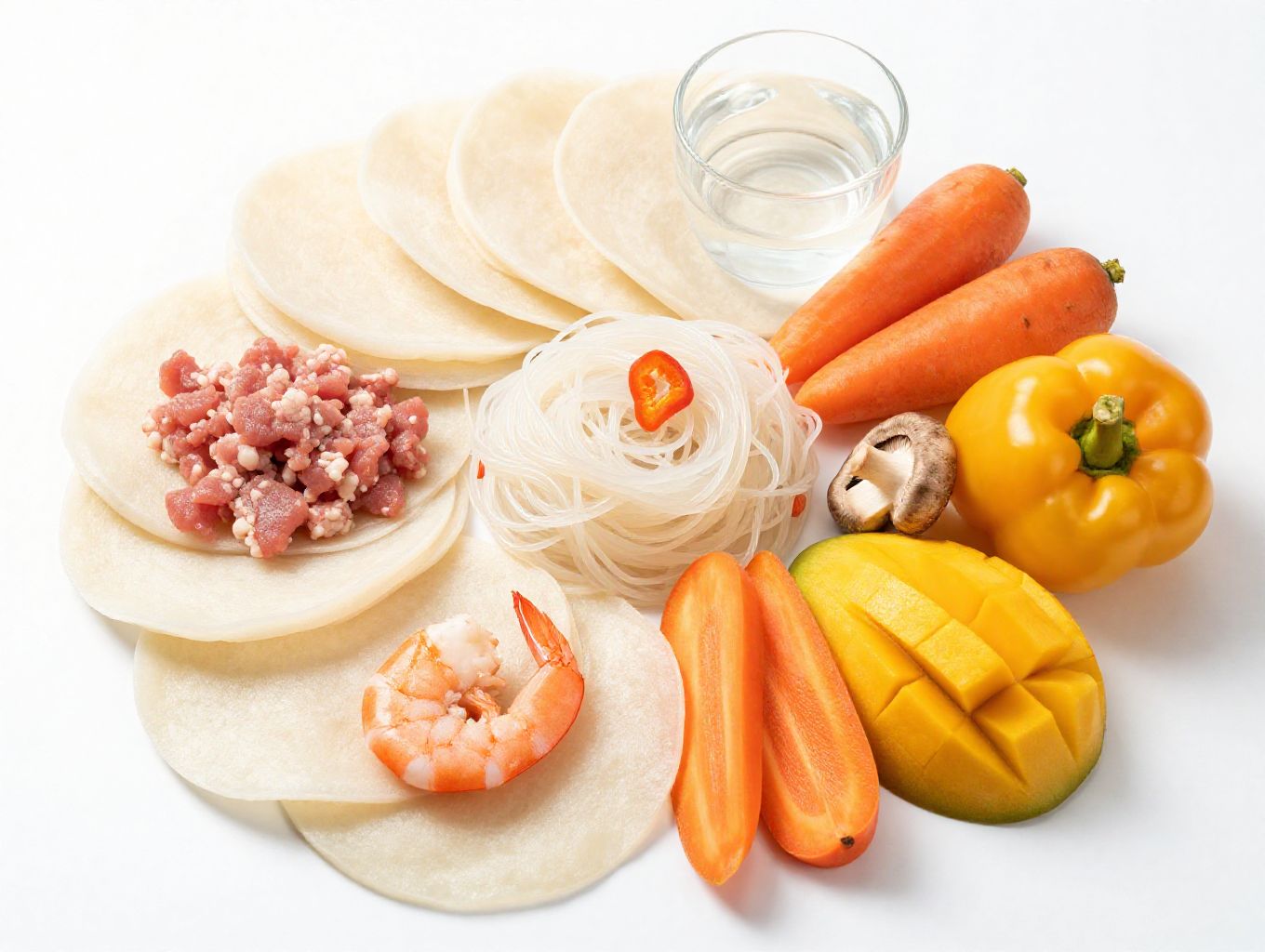
Gather the following items before you start. Each ingredient contributes texture, flavor, or nutrition to the final roll.
- 10‑15 sheets of rice paper – thin, translucent sheets that become soft with a quick dip in water.
- 100 g minced pork – adds savory depth; substitute ground chicken or tofu for a lighter option.
- 100 g shrimp, chopped – sweet seafood flavor; use cooked crab meat for a twist.
- 1/2 cup vermicelli rice noodles – soft starches that give body; glass noodles work as a gluten‑free swap.
- 3 carrots, julienned – crunchy sweetness; try shredded purple cabbage for color.
- 1 bell pepper, thinly sliced – bright crunch; any color adds visual appeal.
- 1 mango, sliced into strips – tropical sweetness that balances savory notes.
- 1/2 cup mushrooms, grated – earthy umami; shiitake or oyster mushrooms add depth.
- 1/4 cup water – for softening rice paper; you can use broth for extra flavor.
Timing
Prep Time: 20 min
Cook Time: 5 min
Total Time: 25 min
These short times make the recipe ideal for a quick snack or a last‑minute party appetizer.
Step-by-Step Instructions
Step 1: Prepare the Noodles
Soak vermicelli noodles in warm water for 5 minutes, then drain and cut into 2 cm lengths. This short soak softens the noodles without making them mushy. Set them aside while you assemble the filling.
Step 2: Mix the Filling
In a bowl, combine the minced pork, chopped shrimp, carrots, mushrooms, and noodles; mix well. The mixture should feel cohesive but not overly wet. Adjust seasoning with a pinch of salt if desired.
Step 3: Soften the Rice Paper
Prepare a shallow plate with warm water. Quickly dip each rice paper sheet in the water for about 10 seconds until soft. Lay the softened sheet flat on a clean surface.
Step 4: Add the Filling
Place the rice paper on a flat surface. Add a small handful of the filling at the bottom center. Include a strip of mango for a hint of sweetness.
Step 5: Roll the Spring Roll
Fold the bottom of the rice paper over the filling, tuck in the sides, and roll it up tightly. A firm roll holds together during frying. Repeat with the remaining sheets and filling.
Step 6: Fry the Rolls
Heat oil in a pan and fry the rolls until golden brown (about 3‑5 minutes). Turn them gently for even coloring. Drain on paper towels to remove excess oil.
Step 7: Serve and Enjoy
Serve hot with your favorite dipping sauce, such as hoisin‑peanut or nuoc cham. These rolls are perfect as a snack or appetizer. Enjoy the burst of textures in each bite.
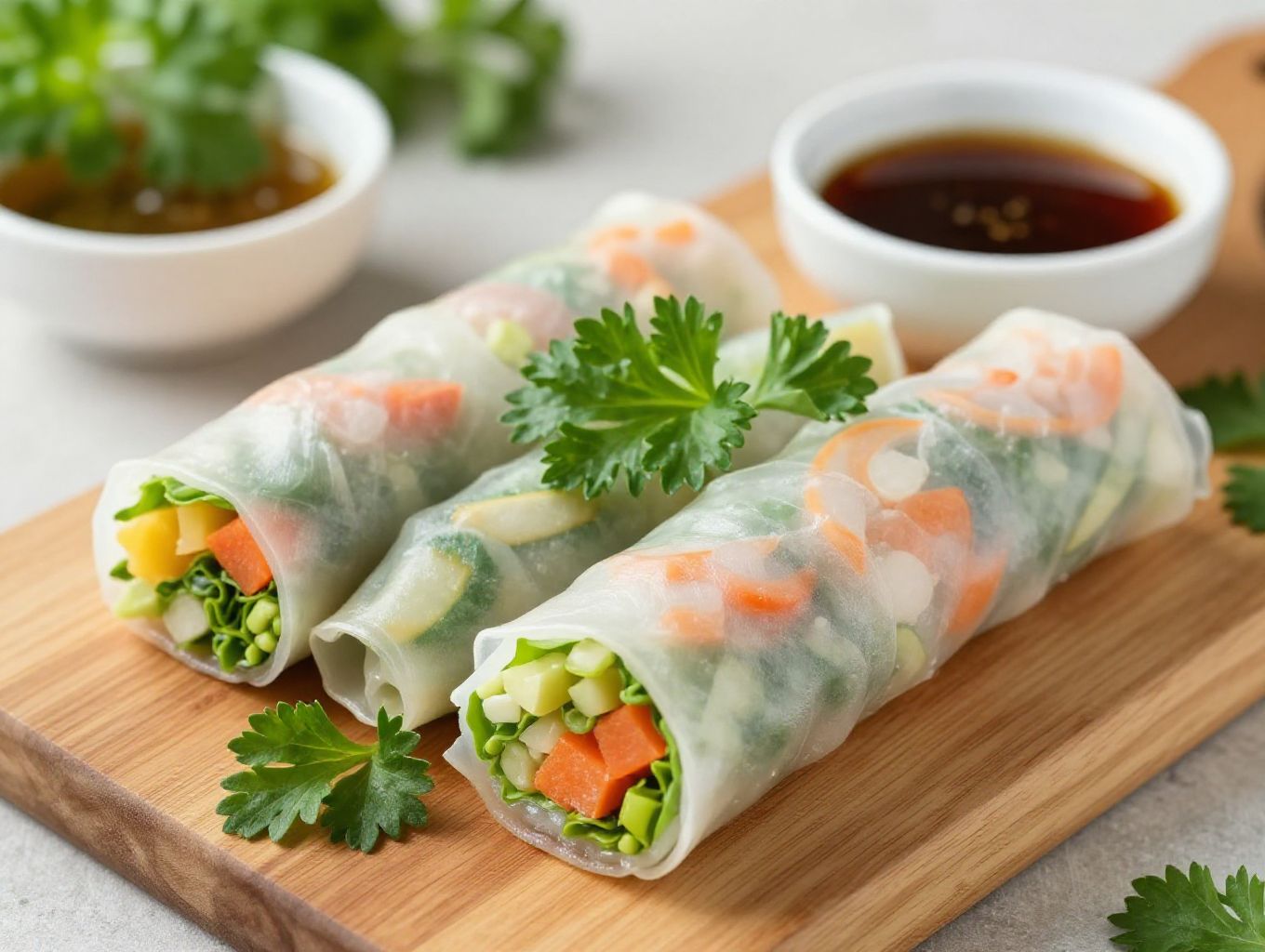
Perfect Spring Rolls with Rice Paper
Ingredients
Method
- Soak vermicelli noodles in warm water for 5 minutes, then drain and cut into 2 cm lengths.
- In a bowl, combine the minced pork, shrimp, carrots, mushrooms, and noodles; mix well.
- Prepare a shallow plate with warm water. Quickly dip each rice paper sheet in the water for about 10 seconds until soft.
- Place the rice paper on a flat surface. Add a small handful of the filling at the bottom center.
- Fold the bottom of the rice paper over the filling, tuck in the sides, and roll it up tightly. Repeat with the remaining sheets and filling.
- Heat oil in a pan and fry the rolls until golden brown (about 3-5 minutes).
- Drain on paper towels, serve hot with dipping sauce.
Notes
Nutritional Information
Nutrition facts are provided per serving (1 spring roll). Values are approximate and may vary based on specific brands and preparation methods.
- Calories: 124
- Carbohydrate: 20.56 g
- Protein: 4.93 g
- Fat: 2.60 g
- Saturated Fat: 0.84 g
- Trans Fat: 0.00 g
- Cholesterol: 22 mg
- Sodium: 130 mg
- Sugar: 4.05 g
- Unsaturated Fat: 1.76 g
Nutrition Information Source: Nutrition values are calculated per serving using data from USDA FoodData Central, the official U.S. government database for food composition. Values are approximate and may vary based on specific brands and preparation methods.
Understanding these numbers helps you balance calories, protein, and carbs for a satisfying snack.
Healthier Alternatives for the Recipe
- Swap minced pork with ground turkey or tempeh for lower saturated fat.
- Use shrimp only, removing pork, to reduce calories and increase lean protein.
- Replace fried rolls with baked rolls (bake at 200 °C for 12 min) for a lighter texture.
- Increase the proportion of veggies, such as adding cucumber or bean sprouts, for more fiber.
- Choose whole‑grain rice paper if available to boost complex carbohydrates.
These tweaks keep the rolls tasty while improving their nutritional profile.
Serving Suggestions
- Pair with a tangy nuoc cham dipping sauce for authentic Vietnamese flavor.
- Serve alongside fresh spring salad with lime vinaigrette for a complete meal.
- Offer a side of sliced mango or pineapple to highlight the sweet notes.
- Arrange on a platter with lettuce leaves for guests to wrap their own rolls.
- Combine with a chilled glass of jasmine tea or sparkling water with a squeeze of lime.
These ideas make the rolls suitable for casual snacking or a more formal gathering.
Common Mistakes to Avoid
- Over‑soaking rice paper—this makes it tear easily; limit to 10 seconds.
- Filling the roll too full—overstuffing causes bursting during frying.
- Using cold oil—ensure the oil is hot before adding rolls to achieve a crisp exterior.
- Skipping the draining step—excess oil makes rolls soggy and greasy.
- Neglecting to pat dry the vegetables—wet veggies add unwanted moisture.
Avoiding these pitfalls ensures consistent, delicious results every time.
Storing Tips for the Recipe
- Cool rolls completely before refrigerating to prevent steam buildup.
- Store in an airtight container with a damp paper towel to maintain softness.
- Consume within 2 days for optimal texture and flavor.
- Re‑heat gently in a skillet with a splash of oil to restore crispness.
- Freeze cooked rolls on a parchment sheet, then transfer to a zip‑lock bag; reheat directly from frozen.
Proper storage keeps the rolls fresh and ready for a quick snack.
Benefits of Rice Paper
Rice paper is low in calories and gluten‑free, making it a great base for light meals. It absorbs flavors from the filling without overpowering them. The thin texture adds a pleasant chew that complements crisp vegetables.
Because it’s made from simple ingredients, rice paper is easy to digest and suitable for many dietary preferences.
Flavor Variations
Feel free to experiment with different proteins such as tofu, chicken, or even thinly sliced beef. Add herbs like mint, cilantro, or Thai basil for an aromatic boost. For a spicy kick, include thin strips of jalapeño or a drizzle of sriracha.
These variations keep the recipe exciting and adaptable to seasonal produce.
Conclusion
Now you know exactly how to use rice paper for spring rolls to create a tasty, healthy snack that impresses every palate. This spring roll recipe blends protein, fresh vegetables, and a hint of mango for balanced flavor. Experiment with the healthier alternatives and serving ideas to make it your own. Try the recipe today, share your results, and keep exploring new variations of rice paper wraps for endless culinary fun.
FAQs
Can I make these rolls without frying?
Yes, you can bake the rolls at 200 °C for 12 minutes or serve them fresh for a crunchy, no‑oil option.
What dipping sauce pairs best with Vietnamese spring rolls?
A classic nuoc cham made with lime juice, fish sauce, garlic, and sugar complements the flavors perfectly.
How long can I keep the rolls in the fridge?
Store in an airtight container for up to two days; keep a damp paper towel on top to preserve softness.
Do the nutrients change if I substitute shrimp with tofu?
Replacing shrimp with firm tofu lowers cholesterol and slightly reduces calories while keeping protein levels high.
What does the science of snacking say about fresh spring rolls?
Research highlights that fresh, vegetable‑rich snacks like these rolls provide satiety and essential nutrients, supporting balanced meals the science of snacking.
Can I freeze the spring rolls for later?
Yes, freeze on a parchment sheet, then transfer to a zip‑lock bag; reheat directly from frozen for best texture.