Best Mango Sticky Rice Recipe: A Delightful Thai Dessert
Introduction
Looking for a sweet treat that transports you straight to the streets of Bangkok? This best mango sticky rice recipe delivers creamy coconut‑kissed rice paired with ripe mango slices, a classic Thai dessert that’s both comforting and exotic. Whether you’re cooking for a family gathering or a quiet evening, the combination of mango, sticky rice, and coconut will impress any palate.
Beyond its beautiful presentation, this dish balances simple ingredients with a delicate flavor profile. In the sections that follow, you’ll find everything you need—from a complete ingredients list to helpful storage tips—so you can master the art of mango sticky rice at home.
Ingredients List
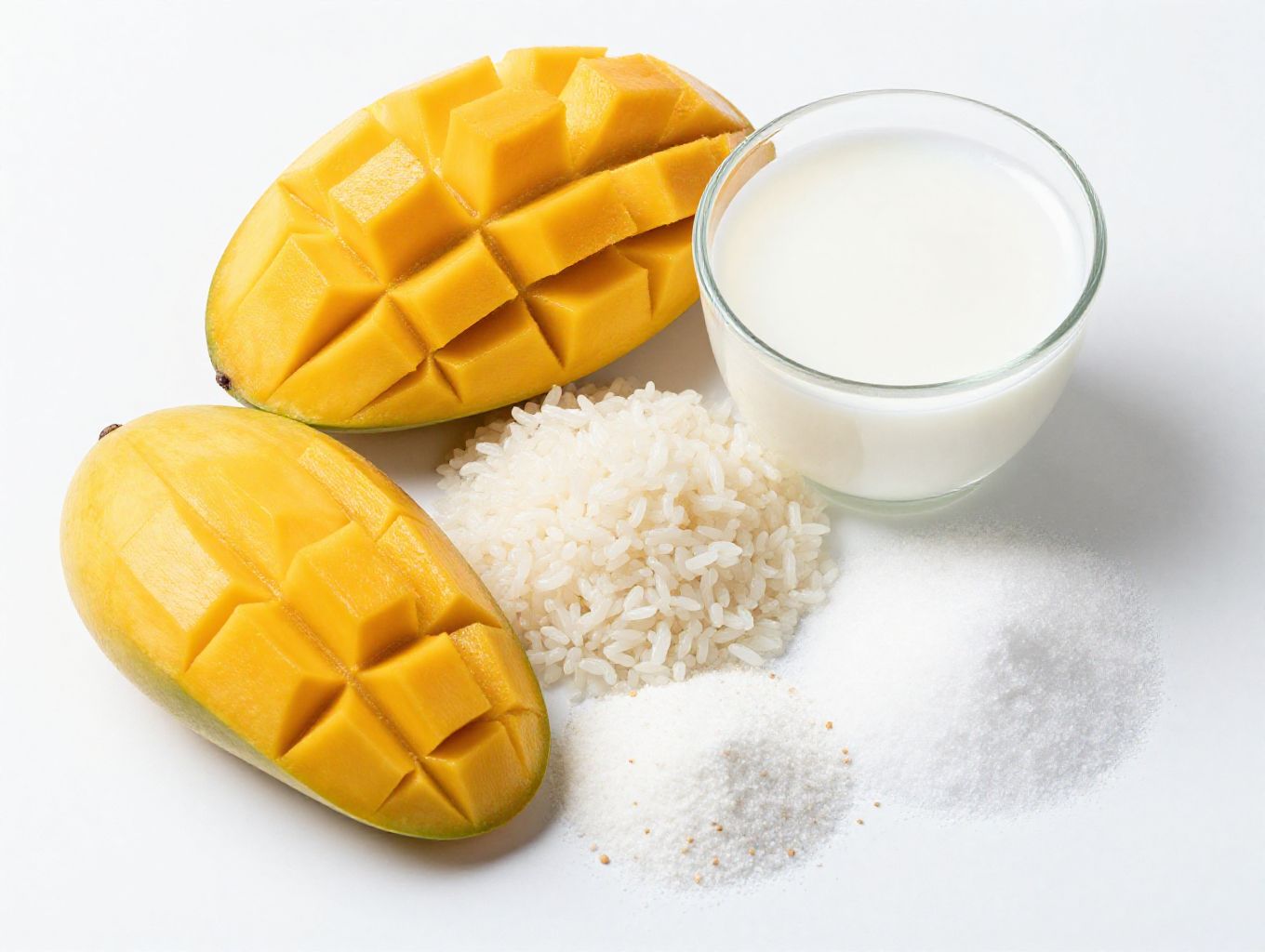
- 2‑3 ripe mangoes, peeled and sliced – Choose mangoes that yield slightly to pressure; they add natural sweetness.
- 1 cup glutinous sweet rice – Also called sticky rice; you can substitute regular short‑grain rice but texture will differ.
- 1 ¼ cups coconut milk – Full‑fat coconut milk creates a rich sauce; light coconut milk works for fewer calories.
- ½ cup coconut cream – Thickens the sauce; substitute with an extra ¼ cup coconut milk if unavailable.
- ¼ cup sugar – Adjust to taste; palm sugar adds a deeper caramel note.
- ¼ tsp salt – Enhances the coconut flavor.
- ½ tsp cornstarch – Keeps the sauce silky; arrowhead powder can be used as a gluten‑free alternative.
- Sesame seeds for garnish – Add a subtle crunch; you may also try toasted mung beans.
Timing
Prep Time: 40 min
Cook Time: 25 min
Total Time: 1h 5min
Step‑by‑Step Instructions
Step 1: Soak the rice
Rinse the glutinous rice and soak it in water for at least 2 hours, or overnight for best texture. Drain well before steaming.
Step 2: Steam the rice
Arrange the soaked rice in a bamboo or metal steamer and steam for 20‑30 minutes until tender. Keep the lid tight to lock in moisture.
Step 3: Prepare the sweet coconut sauce
In a saucepan, combine 1 cup coconut milk, sugar, and salt. Heat gently, stirring until the sugar dissolves completely, then set aside.
Step 4: Thicken the coconut cream
In a separate pot, whisk coconut cream with cornstarch. Warm the mixture, stirring constantly, until it thickens slightly and becomes glossy.
Step 5: Mix rice with coconut sauce
Transfer the cooked rice to a mixing bowl, pour half of the sweet coconut sauce over it, and stir thoroughly. Let the rice rest for 10‑15 minutes to absorb the flavors.
Step 6: Serve and garnish
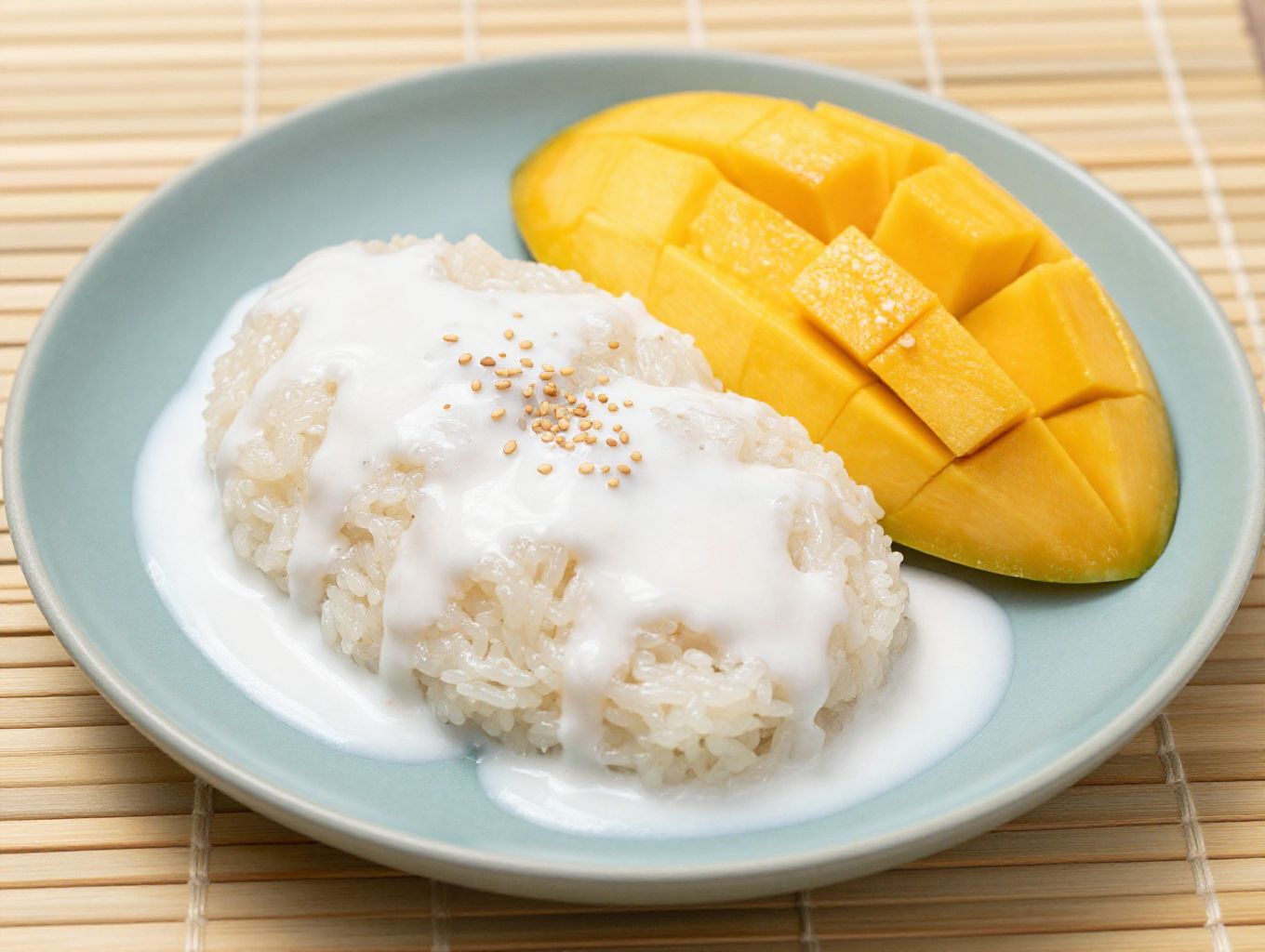
Plate the sticky rice beside sliced mangoes, drizzle the remaining coconut mixture on top, and finish with a sprinkle of sesame seeds. Enjoy while warm or at room temperature.
Nutritional Information
All values are per serving (1 serving).
- Calories: 474 kcal
- Carbohydrates: 55.42 g
- Protein: 6.15 g
- Fat: 27.05 g
- Saturated Fat: 22.81 g
- Trans Fat: 0.00 g
- Cholesterol: 0 mg
- Sodium: 159 mg
- Sugar: 12.43 g
- Unsaturated Fat: 4.23 g
Nutrition Information Source: Nutrition values are calculated per serving using data from USDA FoodData Central, the official U.S. government database for food composition. Values are approximate and may vary based on specific brands and preparation methods.
Healthier Alternatives for the Recipe
- Use brown glutinous rice for added fiber while maintaining the sticky texture.
- Replace half of the coconut milk with low‑fat almond milk to cut saturated fat.
- Swap white sugar for natural sweeteners like stevia or monk fruit to reduce overall sugar.
- Incorporate a pinch of ground cardamom for extra aroma without extra calories.
Serving Suggestions
Serve the mango sticky rice in shallow bowls, allowing the bright orange mango slices to contrast with the creamy white rice. Pair with a cup of Thai jasmine tea or a light mango‑infused sparkling water for a refreshing finish. For a festive touch, sprinkle a few toasted coconut flakes alongside the sesame seeds.
Common Mistakes to Avoid
- Skipping the soaking step leads to a gritty, under‑cooked texture.
- Over‑steaming the rice makes it mushy; check for tenderness at the 20‑minute mark.
- Using low‑fat coconut milk for the sauce reduces richness; balance with a splash of coconut cream.
- Adding the cornstarch mixture at too high a heat can cause clumping; simmer gently instead.
Storing Tips for the Recipe
Cool the sticky rice to room temperature before refrigerating in an airtight container. It will keep for up to 2 days, though the texture may firm up; gently re‑steam before serving. Mango slices are best added fresh, but can be stored separately for 1 day.
Conclusion
This best mango sticky rice recipe blends the sweet scent of coconut with the bright flavor of mango, delivering a dessert that feels both exotic and homey. With clear steps, thoughtful tips, and flexible variations, you’re ready to create a memorable Thai treat any time. Try it today, share it with friends, and enjoy the delighted smiles around the table.
Best Mango Sticky Rice
Ingredients
Method
- Soak the sweet rice in water for at least 2 hours or overnight. Drain well.
- Steam the rice in a bamboo steamer or a makeshift steamer for about 20-30 minutes until tender.
- While the rice is steaming, combine 1 cup of coconut milk, sugar, and salt in a saucepan. Heat until the sugar is dissolved, then set aside.
- In a separate saucepan, combine the coconut cream with cornstarch and heat until slightly thickened.
- Once the rice is cooked, transfer it to a bowl and pour half of the sweet coconut mixture over the rice. Mix well and let it sit for 10-15 minutes.
- Serve the sticky rice alongside sliced mangoes, drizzling the remaining coconut mixture on top. Garnish with sesame seeds. Enjoy!
Notes
FAQs
- Can I make this dessert ahead of time? Yes, you can prepare the rice and sauce a day in advance; keep them separate and combine just before serving.
- What type of mango works best? Choose Ataulfo or Kent mangoes for their buttery texture and natural sweetness.
- Is it possible to use a rice cooker? A rice cooker can steam the sticky rice, but a bamboo steamer yields the most authentic texture.
- Where does the nutrition data come from? All nutrition facts are sourced from the USDA FoodData Central nutrient database, ensuring accurate and reliable information.