Low-Fat Snack Ideas for School Lunches
Introduction
Looking for snack options that keep kids energized without excess fat? low-fat snack ideas for school lunches are easier to plan than you think. These quick, tasty bites fit into a busy morning routine and still meet nutrition standards. Parents love the balance of flavor and health, and children enjoy the variety.
What if you could pack a snack that stays under 100 calories, contains only 2 grams of fat, and delivers protein for growing bodies? That is exactly what our snack collection offers. By using low‑fat yogurt, fresh fruit, and crunchy veggies, you create satisfying combos that are both delicious and nutrient‑dense. The goal is simple: provide low‑fat snacks that support learning, focus, and playful afternoons.
These low-fat snack ideas for school lunches are designed for families who need speed, nutrition, and kid‑approved taste in one package.
Why Low‑Fat Snacks Matter
Children who consume too much saturated fat may experience sluggishness and difficulty concentrating. Low‑fat snacks help maintain steady energy levels throughout the school day. They also align with many school nutrition policies that limit total fat per snack.
Replacing high‑fat options with low‑fat alternatives can improve overall diet quality without sacrificing satisfaction. When kids feel full and happy, they are more likely to choose healthy meals later.
Low‑fat snack ideas for school lunches also support heart health. Even small reductions in daily saturated fat intake accumulate over years, offering long‑term benefits.
Ingredients List
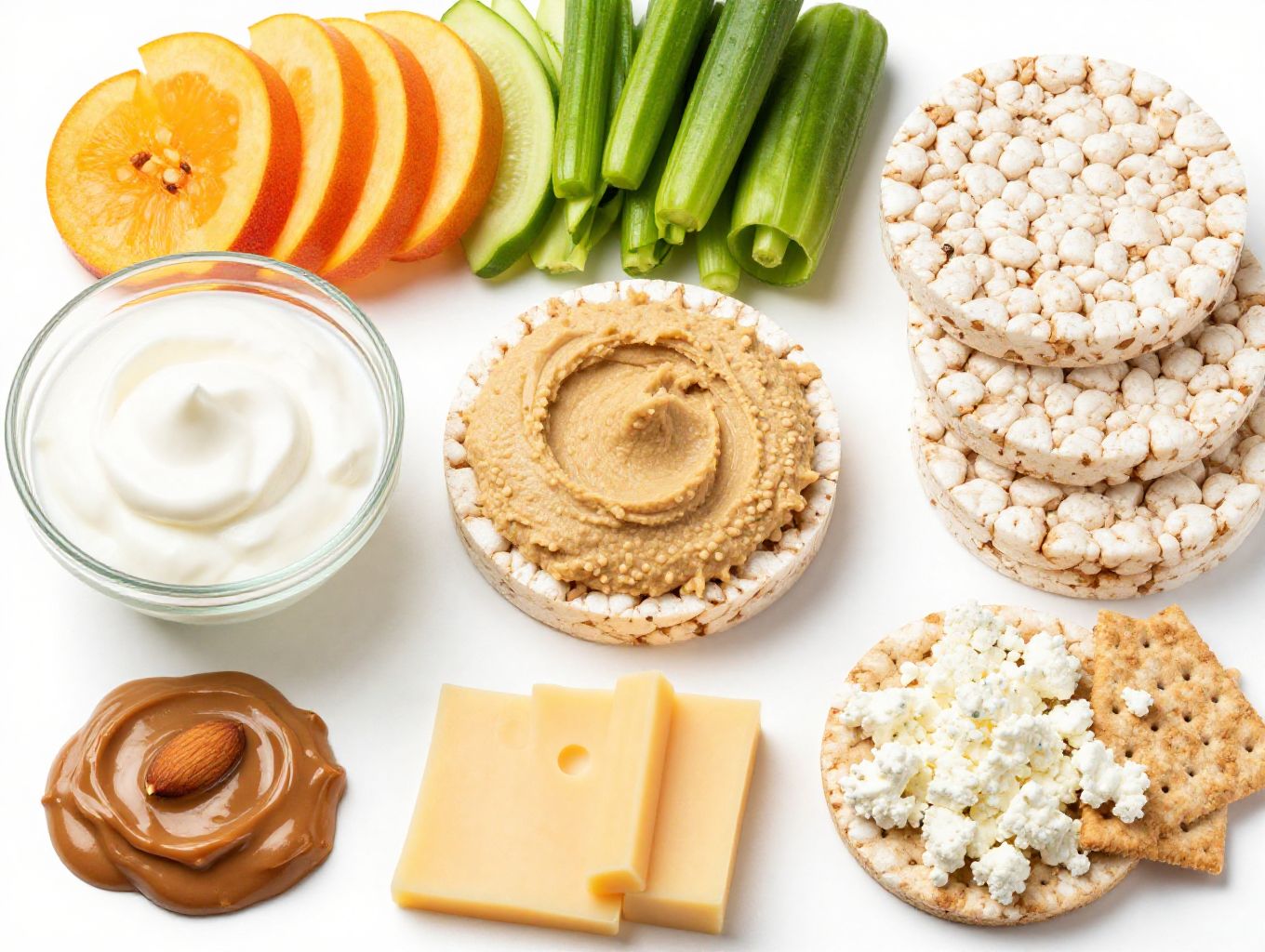
- Low‑fat yogurt – creamy base for fruit dip; choose plain or lightly flavored varieties.
- Sliced fruits – apples, berries, or pears add natural sweetness and fiber.
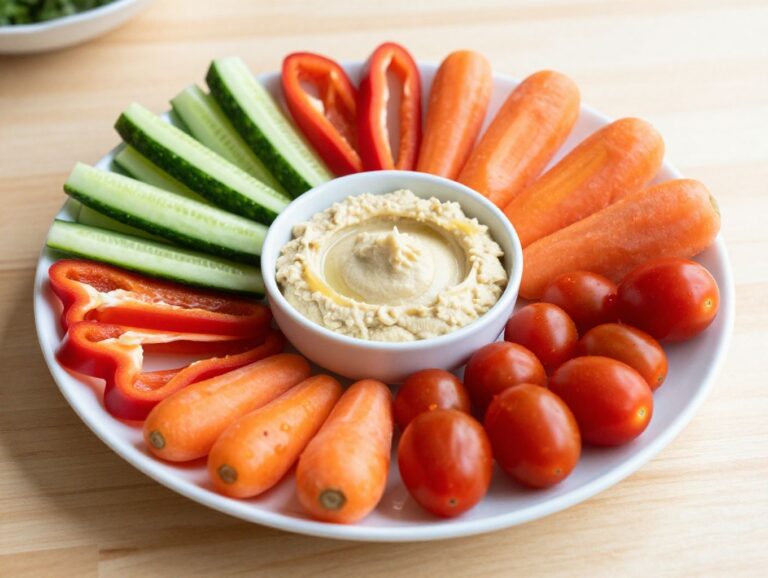
- Raw veggies – carrot sticks, cucumber rounds, or bell pepper strips give crunch.
- Hummus – protein‑rich dip that pairs well with veggies.
- Rice cakes – airy base for spreads, low in fat.
- Almond butter – a thin layer adds healthy unsaturated fat and flavor.
- String cheese – convenient source of calcium and protein.
- Whole grain crackers – extra fiber for sustained energy.
- Cottage cheese – mild, low‑fat protein boost.
Substitution ideas keep the snack lineup flexible. Swap almond butter for sunflower seed butter if nut allergies are a concern. Choose Greek yogurt for extra protein, or replace hummus with a low‑fat bean dip for variety. All options stay within the low‑fat threshold of 3 g per serving.
For families on a budget, buying bulk produce and store‑brand yogurt can reduce cost while maintaining quality. Frozen berries work well in yogurt dip and keep nutrients intact.
Timing
- Prep Time: 0 min
- Cook Time: 0 min
- Total Time: 0 min
Because each snack requires only assembly, you can prepare them in minutes before school. The zero‑cook format saves energy and keeps flavors fresh, making it perfect for quick snacks that still meet nutrition goals.
Batch‑prepare portions on the weekend. Fill small containers with yogurt and fruit, portion hummus into mini jars, and stack rice cakes in a zip‑lock bag. When morning comes, all you need is to grab and go.
Step 1: Yogurt and Fruit Dip
Pack a small container of low‑fat yogurt together with sliced fruits. Stir gently to create a dip that is both creamy and naturally sweet. This combo offers calcium, protein, and a burst of vitamins.
Step 2: Veggies and Hummus
Place raw veggie sticks in a separate compartment and add a scoop of hummus for dipping. The fiber from veggies and the plant‑based protein in hummus support steady energy release.
Step 3: Rice Cakes with Almond Butter
Spread a thin layer of almond butter on each rice cake. The light coating delivers a satisfying bite without exceeding the 3 g fat limit.
Step 4: Add String Cheese
Include one stick of string cheese for a portable protein source. Its calcium content complements the dairy in yogurt and cottage cheese.
Step 5: Crackers or Cottage Cheese
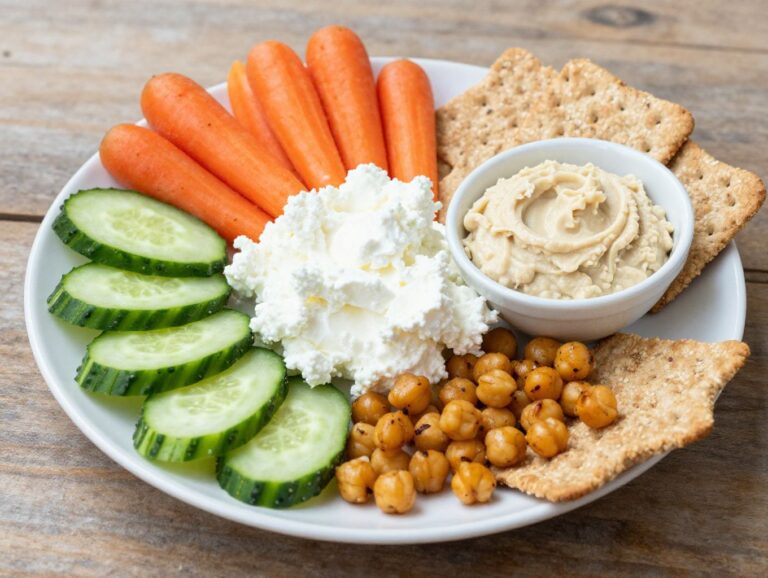
Choose whole grain crackers or a small portion of cottage cheese as an additional fiber‑rich element. Both options keep the snack interesting and nutrient balanced.
Nutritional Information
All values are per serving, defined as one snack.
- Calories: 100 calories
- Carbohydrate: 10 g
- Protein: 5 g
- Total Fat: 2 g
- Saturated Fat: 0 g
- Trans Fat: 0 g
- Unsaturated Fat: 1 g
- Cholesterol: <5 mg
- Sodium: 150 mg
- Sugar: 5 g
Nutrition Information Source: Nutrition values are calculated per serving using data from USDA FoodData Central, the official U.S. government database for food composition. Values are approximate and may vary based on specific brands and preparation methods.
Healthier Alternatives for the Recipe
Even low‑fat snacks can be tweaked for extra health benefits. Consider these adjustments while keeping the snack under the 3 g fat ceiling.
- Replace almond butter with a thin spread of mashed avocado; it adds heart‑healthy monounsaturated fats.
- Choose a plant‑based yogurt made from soy or almond for dairy‑free families, maintaining low fat content.
- Swap regular hummus for a roasted red pepper version to reduce sodium.
- Use whole grain rice cakes fortified with fiber to boost satiety.
Each alternative preserves the snack’s quick preparation time and appealing taste, while adding nutrients like omega‑3s or extra fiber.
Serving Suggestions
Mix and match components to create a colorful snack box. Pair yogurt‑fruit dip with a side of whole grain crackers for a balanced bite. Add a small container of cottage cheese alongside the veggie‑hummus combo for extra protein. Encourage kids to assemble their own plates; the hands‑on activity reinforces healthy eating habits.
For a themed lunch, choose fruit colors that match the school mascot, or use veggie sticks shaped with a small cookie cutter. Presentation can make the snack more exciting and increase willingness to try new foods.
Common Mistakes to Avoid
- Over‑filling containers – it can cause spills and messes in backpacks.
- Choosing full‑fat cheese – it raises the fat content above the allowed 3 g per snack.
- Using sugary flavored yogurts – they increase sugar beyond the modest 5 g target.
- Skipping portion control – a single rice cake with too much almond butter can exceed the calorie limit.
Sticking to the recommended amounts keeps each snack low‑fat and kid‑approved.
Storing Tips for the Recipe
Store assembled snacks in airtight containers or zip‑lock bags to maintain freshness. Keep yogurt and cottage cheese chilled in a cooler pack until lunchtime. Rice cakes should be kept separate from wet ingredients to avoid sogginess.
When preparing a week’s worth of snacks, label each container with the day of the week. This helps families stay organized and reduces the temptation to add extra toppings at the last minute.
For added safety, use insulated lunch bags with an ice pack for perishable items. This ensures the yogurt stays below 40°F, preserving both safety and texture.
Planning Ahead for Busy Mornings
Set aside Saturday or Sunday to portion out snack components. Use a shallow tray to arrange fruit slices, veggies, and crackers side‑by‑side. This visual layout speeds up morning assembly.
Involve children in the planning stage. Let them choose between apple or pear slices, or pick their favorite hummus flavor. When kids have a voice, they are more likely to eat the snack.
Keep a checklist on the refrigerator door: yogurt, fruit, veggies, hummus, rice cakes, almond butter, cheese, crackers. A quick glance tells you what needs restocking.
Budget‑Friendly Tips
- Buy fruit in bulk and freeze what you won’t use fresh.
- Choose store‑brand low‑fat yogurt; it often matches the nutrition profile of name brands.
- Make homemade hummus using canned chickpeas, lemon juice, and a splash of olive oil – the amount of oil can be reduced to keep fat low.
- Look for multi‑pack string cheese on sale; it reduces per‑unit cost.
These strategies keep snack costs low while maintaining the “Low‑Fat Treats” marketing claim.
Conclusion
By incorporating these low-fat snack ideas for school lunches, you provide kids with nutritious, satisfying options that fit within a 100‑calorie, 2‑gram‑fat framework. The recipe collection is quick, flexible, and designed for busy families who value healthy snacks without compromising taste.
Try the snack combos this week and observe how energy levels improve during school hours. Share your favorite variations in the comments, and let other parents discover how easy low‑fat snacks can be. Your next school lunch could be a colorful, balanced bite that kids actually look forward to.
Quick and Tasty Low-Fat Snacks
Ingredients
Method
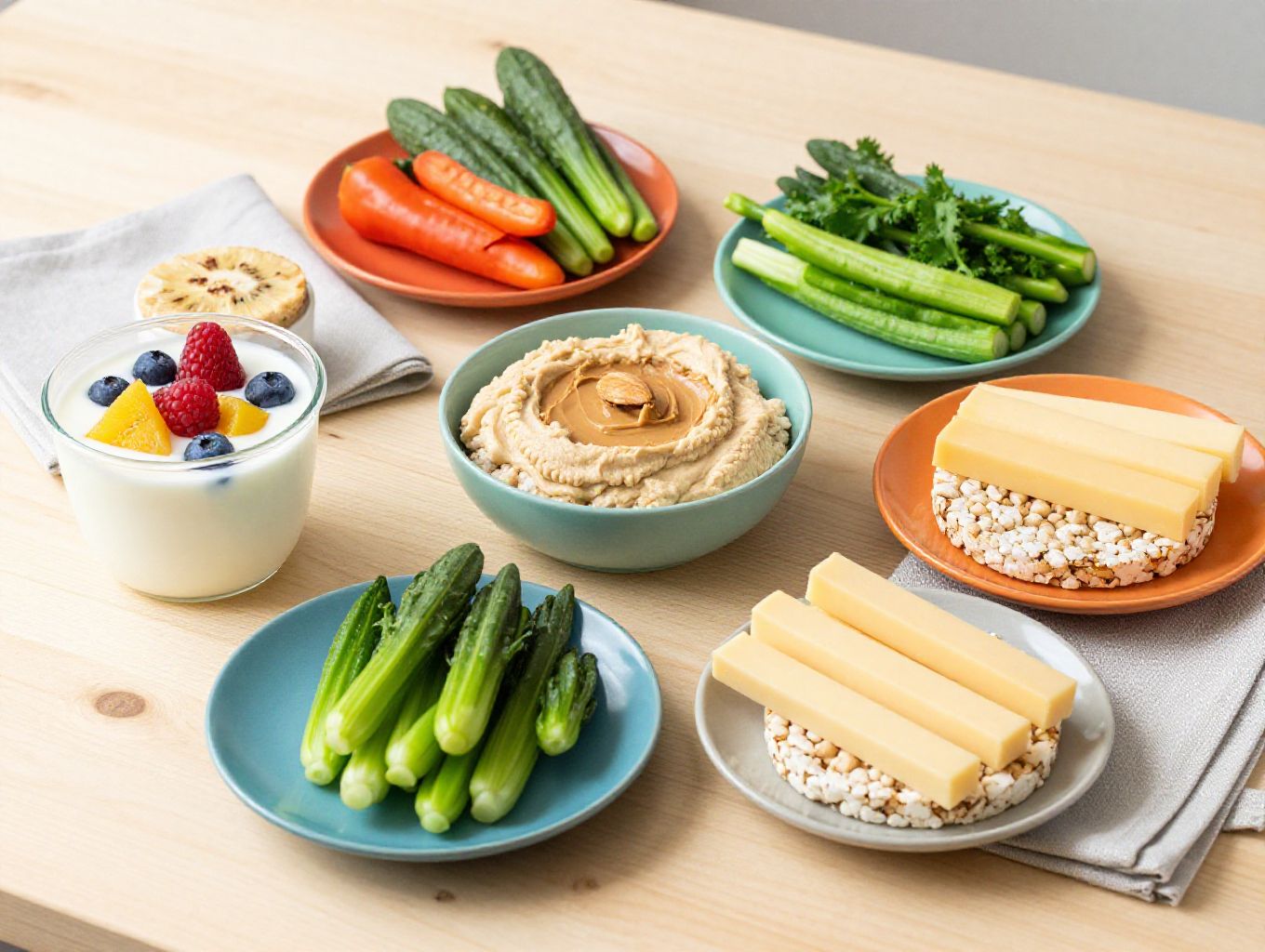
- Pack low-fat yogurt with sliced fruits for a tasty dip.
- Pair raw veggies with hummus for a crunchy treat.
- Serve rice cakes with almond butter for a satisfying bite.
- Include string cheese for protein.
- Offer whole grain crackers or cottage cheese for added fiber.
Notes
FAQs
- Can I prepare these snacks the night before? Yes, store the components in separate containers and refrigerate yogurt and cottage cheese.
- Are these snacks suitable for children with dairy allergies? Swap low‑fat yogurt and cheese for dairy‑free alternatives like soy yogurt and plant‑based cheese.
- How many calories are in each snack? Each snack is approximately 100 calories, keeping lunches lightweight.
- Do the snacks meet school nutrition guidelines? They stay under the 100‑calorie limit and contain low fat, making them school‑friendly.
- Can I add a sweetener to the yogurt? Use a small drizzle of honey or maple syrup, but keep total sugar under 5 g per serving.